

Dr Carolyn Ng – Specialist Orthodontist
Dr Carolyn Ng
Specialist Orthodontist
Specialist Orthodontist

Orthodontic Treatment for Adults: What to Know Before You Start

A common assumption is that orthodontic treatment is something that happens in adolescence and that the window closes sometime in the late teenage years. Hwoever, adults of all ages, including those well into their 40s, 50s, and beyond, seek and complete orthodontic treatment successfully. The biology of tooth movement works throughout life, and the quality of outcomes achievable in adult patients is comparable to those in younger patients, with some additional clinical considerations worth understanding before starting.
Table of Contents
- Why Adults Seek Orthodontic Treatment
- How Adult Orthodontics Differs from Teenage Treatment
- Clinical Considerations Specific to Adults
- Appliance Options for Adult Patients
- What to Expect From the Process
- Is Adult Orthodontic Treatment Right for You?
- Frequently Asked Questions
Why Adults Seek Orthodontic Treatment
The reasons adults pursue orthodontic treatment are varied. Some have had crowding or bite issues since childhood that were never addressed. Others notice that teeth which were once relatively straight have shifted over time, a common occurrence as the jawbone changes with age and the teeth respond to ongoing forces from chewing, habits, and the loss of posterior teeth. Some adults seek treatment as part of broader dental rehabilitation, where orthodontics is needed to position teeth correctly before restorative work such as implants, crowns, or bridges can be completed effectively.
Whatever the reason, the motivation to seek treatment as an adult is entirely reasonable. Aligned teeth are easier to clean, which has implications for long-term gum and bone health. A well-functioning bite reduces wear and the risk of tooth fracture over time. And for many adults, the confidence that comes with feeling comfortable about their smile has practical effects on professional and social life that are genuinely meaningful. The adult orthodontics page gives an overview of what Dr Carolyn offers for adult patients specifically.
How Adult Orthodontics Differs from Teenage Treatment

The fundamental mechanics of orthodontic treatment are the same regardless of age i.e controlled forces applied through brackets, wires, or aligner trays move teeth by stimulating bone remodelling around the tooth roots. What changes in adults is the biological context in which this happens.
In growing patients, bone is more metabolically active and responds relatively quickly to orthodontic forces. In adults, bone is denser and more mature, which means tooth movement can sometimes be a little slower, and treatment may take modestly longer than an equivalent case in a teenager. This is not a barrier to treatment. It is simply a factor that informs realistic expectations around timeframes.
Adult patients also do not have the advantage of jaw growth that can be harnessed in younger patients. Some skeletal discrepancies that could be partially corrected through growth modification in a child may require a different approach in an adult, either with orthodontic compensation, where the teeth are positioned to work as well as possible within the existing skeletal framework, or in more significant cases, a combination of orthodontics and jaw surgery.
Clinical Considerations Specific to Adults
A thorough assessment is important for any orthodontic patient, but there are specific factors Dr Carolyn will pay particular attention to in adult patients.
Gum and bone health is the foundation of safe orthodontic treatment. Teeth can only be moved safely through healthy supporting structures. If there is active gum disease or significant bone loss present, this needs to be stabilised before orthodontic forces are applied. Dr Carolyn will assess this at the initial consultation and, where needed, will recommend that gum treatment is completed with your dentist or periodontist before orthodontic treatment begins.
Existing dental work is also relevant. Crowns, bridges, veneers, and implants all interact with orthodontic treatment differently than natural teeth. Implants in particular cannot be moved, as they are fused to the bone, so their position needs to be accounted for in treatment planning. Where restorative work is planned following orthodontics, the sequencing of treatment requires careful coordination between Dr Carolyn and your restorative dentist. For patients considering orthodontics as part of a broader dental treatment plan, discussing the overall sequence with both clinicians early is strongly recommended.
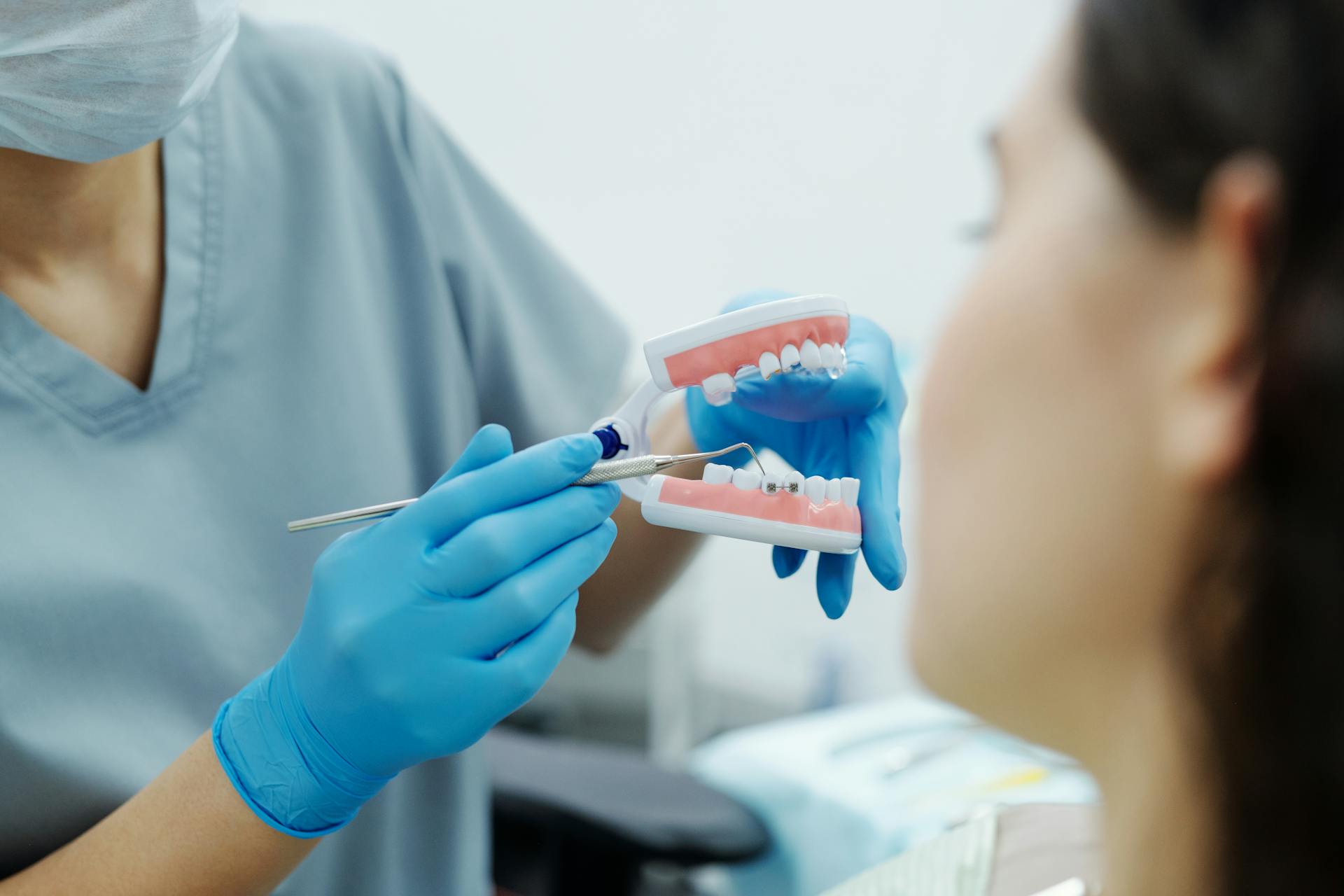
Habits such as tooth grinding (bruxism) and clenching are more common in adults and can affect treatment planning and retention. Medications that affect bone metabolism or gum tissue, including some blood pressure medications, anticonvulsants, and bisphosphonates used to treat osteoporosis, are also worth discussing at consultation, as they can influence how teeth respond to orthodontic forces and what retention strategies are most appropriate. For more information on the range of problems that orthodontic treatment can address, the orthodontic problems page covers common presentations across all age groups.
Appliance Options for Adult Patients
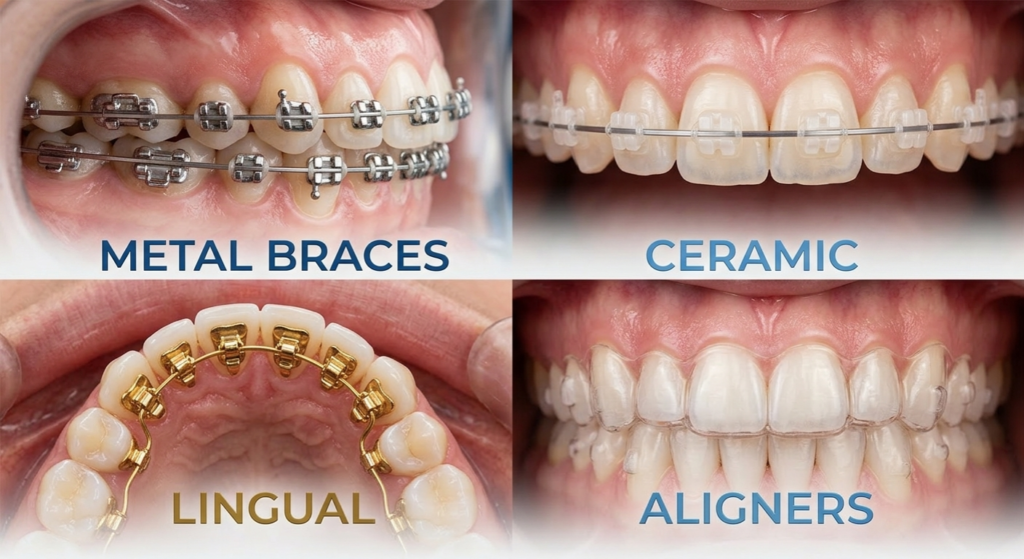
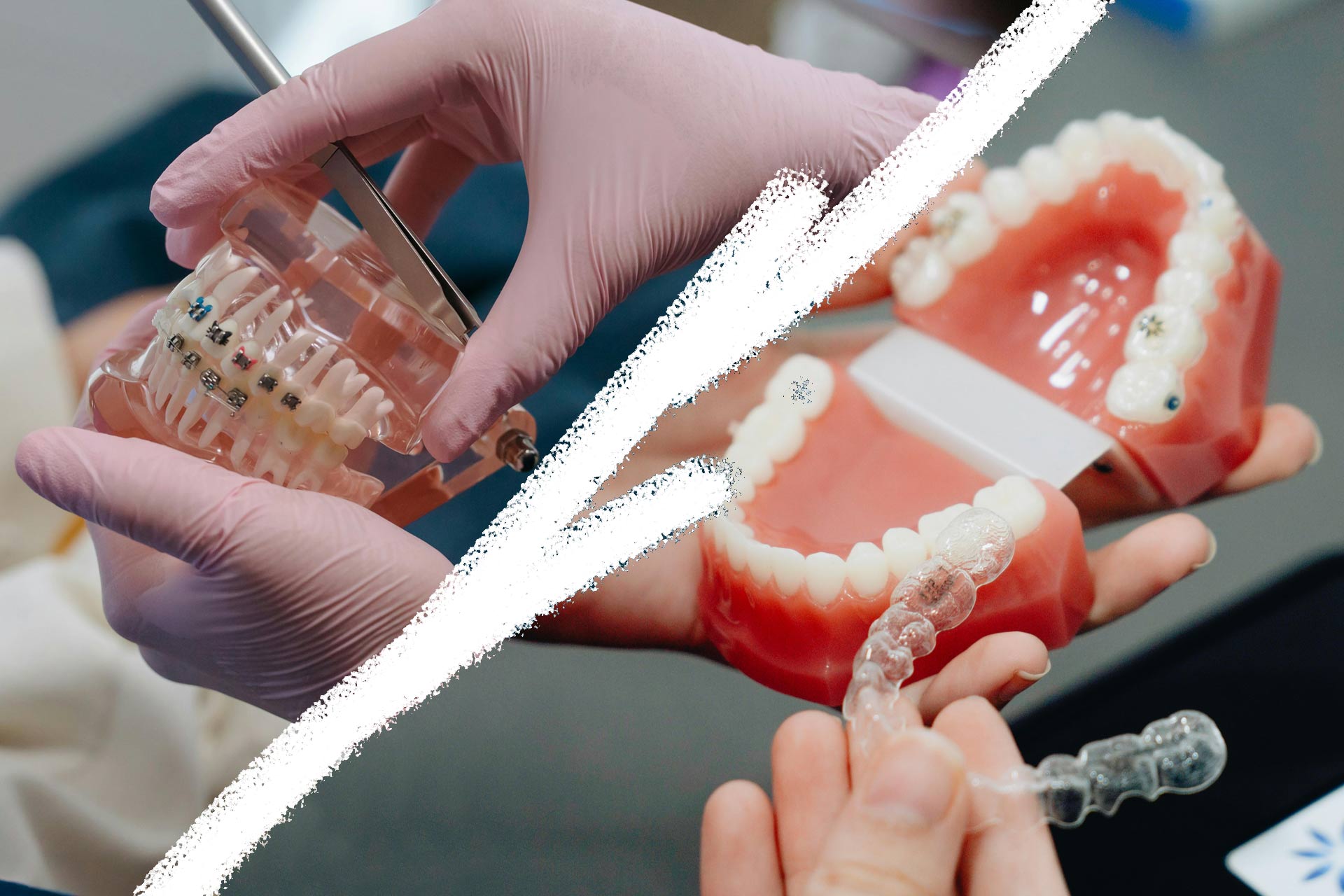
Adult patients have access to the full range of orthodontic appliances, and discretion during treatment is a common priority. The good news is that the options available today are considerably more discreet than what most adults imagine when they picture braces.
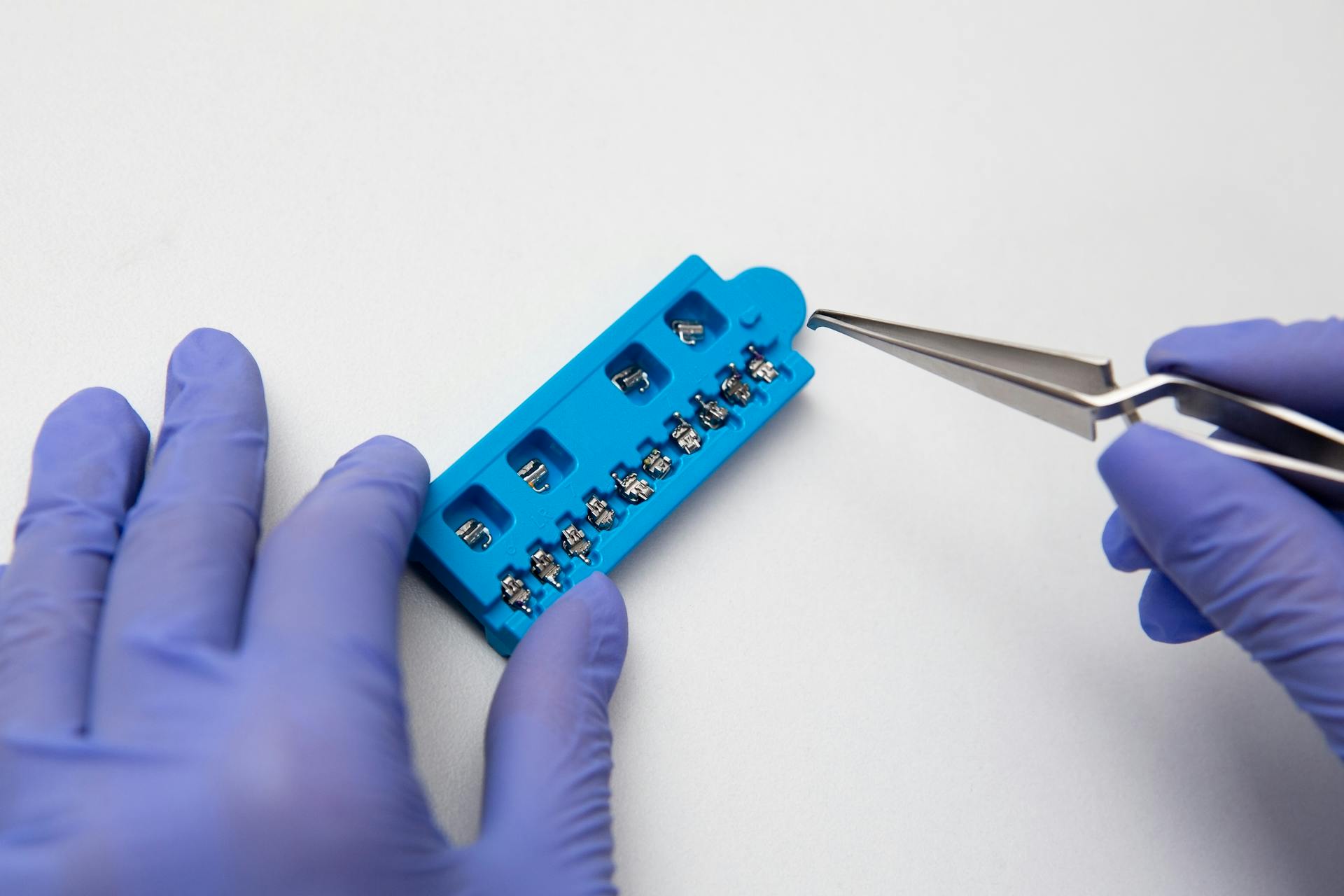
Metal braces have been a stalwart contender in the realm of orthodontics. Newer metal brackets are smaller and more discrete that in days gone by. They work by exerting the force placed on them via the archwire to move teeth in different dimensions. The metal braces article discusses their use in greater detail.
Ceramic braces use tooth-coloured brackets that blend with the enamel and are considerably less visible than metal brackets from a conversational distance. They work on the same principles as metal braces and are suitable for most cases. The ceramic braces article covers the practical considerations including staining, durability, and who they suit.
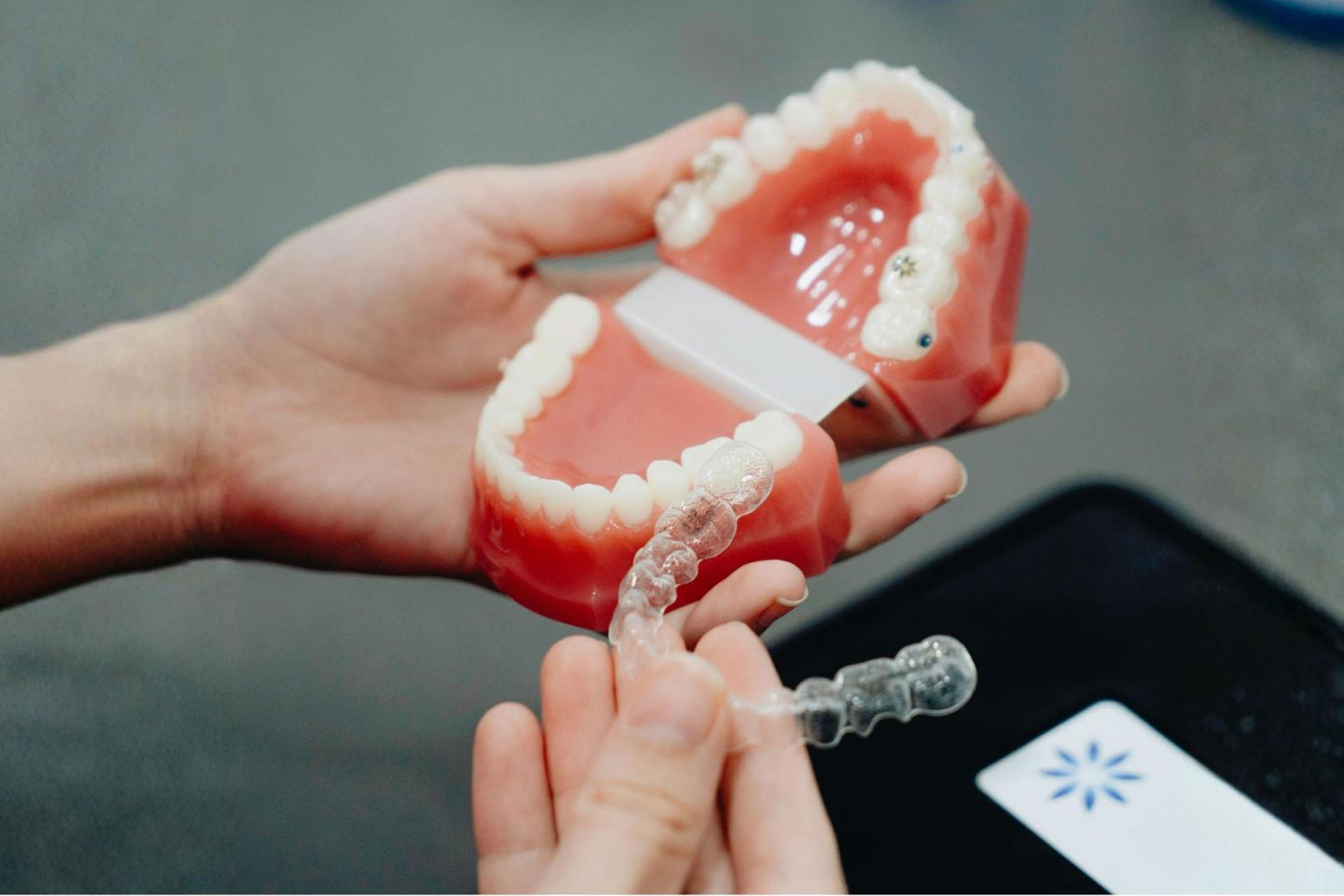
Lingual braces are fixed to the inner surface of the teeth and are completely invisible from the front in normal social situations. They offer the clinical precision and compliance certainty of fixed treatment with no visible hardware at any stage. The lingual braces article explains how they work and what wearing them involves.
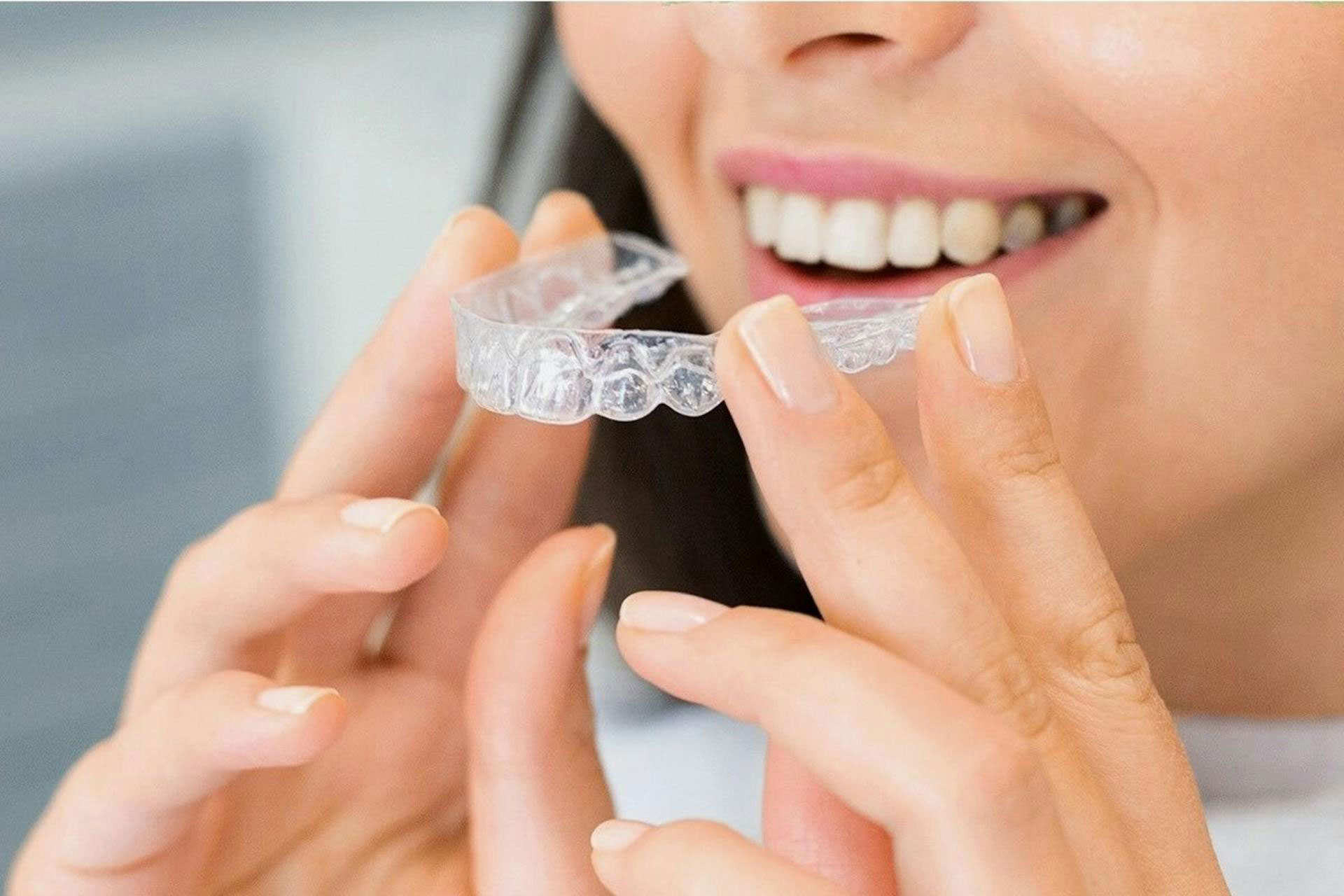
Clear aligners are removable transparent trays that many adult patients find appealing for their discretion and the ability to remove them for meals and oral hygiene. They are effective for a broad range of presentations, though there are some clinical situations where fixed appliances offer better control of specific tooth movements. The clear aligners article covers what treatment with aligners involves in detail, including the compliance requirements that are important to understand before choosing this pathway.
For adults weighing up the options, the braces or aligners article covers how to think about the choice between fixed and removable treatment options.
What to Expect From the Process
The treatment process for adult patients follows the same pathway as for any patient — initial consultation and assessment, diagnostic imaging, treatment planning, appliance placement, regular review visits, and finally debonding and retention. The treatment process page outlines each step in detail.
One aspect worth emphasising for adult patients is retention. Once orthodontic treatment is complete, retainers are fitted to maintain the result and prevent the teeth from drifting back toward their original positions.
Is Adult Orthodontic Treatment Right for You?
The most useful thing an initial consultation can do is give you an honest, clinically grounded answer to that question. Dr Carolyn will review your dental history, examine your teeth, gums, and bite, take the necessary diagnostic imaging, and give you a clear picture of what is involved, what the options are, and what is realistically achievable in your situation.
If you have been considering orthodontic treatment for some time and have been putting it off because of uncertainty about whether it is appropriate at your age, or concern about what treatment would look like day-to-day, a consultation is the most direct way to get reliable answers to both questions.
Dr Carolyn Ng is an Ahpra-registered Specialist Orthodontist practising in Hawthorn, Victoria. She welcomes adult patients at any stage of their orthodontic journey. No referral is required, just contact the practice to arrange a time.
Frequently Asked Questions
No. Orthodontic treatment is possible at any age provided the underlying teeth, gums, and bone are in adequate health. The biology of tooth movement works throughout life. Adults in their 40s, 50s, 60s, and beyond successfully complete orthodontic treatment. Age alone is not a barrier.
Adult bone is denser and more mature than growing bone, which can mean tooth movement is modestly slower than in younger patients. Treatment time depends primarily on the complexity of the case, and many adult cases are completed within the same 18 to 24 month timeframe typical for teenagers. A personalised estimate will be provided following your initial assessment.
Existing dental work does not automatically exclude you from orthodontic treatment, but it does need to be factored into the treatment plan. Crowns and bridgework interact with orthodontic forces differently than natural teeth, and implants cannot be moved as they are fused to bone. Dr Carolyn will assess all existing dental work at your consultation and discuss how it affects the planning of your treatment.
Yes. Ceramic braces use tooth-coloured brackets that are considerably less visible than metal. Lingual braces sit behind the teeth and are completely hidden from the front. Clear aligners are transparent and removable. The most appropriate option depends on the clinical situation, and Dr Carolyn will discuss which appliances are suitable for your specific case at consultation.
Active gum disease needs to be stabilised before orthodontic treatment can safely begin, as moving teeth through unhealthy supporting structures carries significant risk. Once gum disease is under control and the supporting bone and tissue are stable, orthodontic treatment may well be possible. Dr Carolyn will assess the health of your gums and bone at your initial consultation and advise accordingly.
No referral is required. You can contact the practice directly to arrange an initial consultation at any time.


The Orthodontist Advantage
Dr. Carolyn Ng firmly believes that a beautiful smile can unlock a life of greater confidence and well-being. She is a highly skilled specialist and an expert in orthodontics and dentofacial orthopaedics.
Orthodontic specialists like Dr. Carolyn customizes each treatment—whether braces, clear aligners, or other discreet options—to fit your lifestyle and goals, helping you achieve a smile you’ll be proud of for years to come.
At her orthodontic practice in Hawthorn, Victoria, she works collaboratively and patiently with all her patients in creating beautiful, healthy smiles.
The information contained on this website is general in nature and does not cover all appliances or treatment modalities. It does not take into account your personal situation. Any surgical or invasive procedure carries risks. You should consider whether the information is appropriate to your needs, and where appropriate, seek advice from a dental professional.

Dr. Carolyn Ng
Orthodontist Hawthorn