

Dr Carolyn Ng – Specialist Orthodontist
Dr Carolyn Ng
Specialist Orthodontist
Specialist Orthodontist
Thumb and Dummy Sucking: What Parents Need to Know

Sucking habits, whether thumb, finger, or dummy, are entirely normal in infants and young children. They provide comfort and are a natural part of early development. For the vast majority of children, these habits resolve on their own without any lasting effect on the teeth or jaw.
The concern arises when the habit continues beyond the point at which it can affect dental development. Understanding the difference between a habit that is developmentally normal and one that warrants attention is the first step for any parent navigating this question.
Table of Contents
- Why Children Suck Their Thumb or Dummy
- When Does It Become a Concern?
- What Problems Can Prolonged Sucking Cause?
- Dummy Versus Thumb — Is There a Difference?
- How to Help Your Child Stop
- When Orthodontic Assessment Is Appropriate
- Frequently Asked Questions
Why Children Suck Their Thumb or Dummy
Sucking is one of the first reflexes a baby develops and serves an important self-soothing function throughout infancy. It is a normal, healthy behaviour in the early years of life and should not be a source of concern in itself. Most children naturally reduce and then cease these habits between the ages of two and four as they develop other ways of managing comfort and stress.
When Does It Become a Concern?
The age at which a sucking habit stops matters considerably more than the habit itself. The baby teeth are somewhat adaptable, and minor effects from sucking habits in early childhood can often correct themselves once the habit stops and the permanent teeth begin to emerge.
The threshold that orthodontists and paediatric dentists generally watch is around four to five years of age. If a vigorous sucking habit is still present at this point, there is a reasonable chance it may begin to affect the developing permanent teeth and jaw. If the habit continues beyond six to seven years, when the permanent front teeth are typically erupting, the risk of lasting dental and skeletal changes increases meaningfully.
The intensity of the habit also matters. A child who sucks their thumb lightly while falling asleep presents a lower risk than one who sucks vigorously for extended periods during the day.
What Problems Can Prolonged Sucking Cause?
When a vigorous sucking habit continues beyond the window where it can self-correct, a range of dental and skeletal effects can develop. The nature and severity of these effects depends on how long the habit continues, how vigorous it is, and the individual child’s growth pattern.
An anterior open bite is one of the most common outcomes. This is where the front teeth fail to meet when the mouth is closed, which can affect biting and chewing function. Proclined (leaning forward) upper incisors, where the upper front teeth tip forward and the lower front teeth tip inward, is another frequent effect of prolonged thumb sucking in particular. A posterior crossbite is where the upper teeth sit inside the lower teeth at the back. This can develop when the sucking habit narrows the upper jaw over time. Narrowing of the upper arch can also contribute to crowding of the permanent teeth as they erupt.
In some cases, speech development can also be affected, particularly where the tongue posture and jaw position have been altered by a prolonged habit.
It is worth noting that dummies, when used without being dipped in sweet substances, do not contribute to tooth decay. However, dummies dipped in honey, jam, or sweetened liquids significantly increase the risk of early childhood decay, which is a separate concern from the orthodontic effects of the habit itself.
Dummy Versus Thumb — Is There a Difference?
Research generally suggests that dummy habits tend to resolve earlier than thumb habits, which has implications for dental outcomes. Because a dummy can be taken away, while a thumb cannot, parents typically have more control over when and how quickly the habit is phased out.
The dental effects of dummy use and thumb sucking are broadly similar when the habits are equally vigorous and prolonged, but in practice dummy habits are more often discontinued before the permanent teeth begin to emerge. When a dummy habit stops before the age of four, the teeth and jaw often recover well without any lasting effect.
How to Help Your Child Stop
For most children under four, the approach is simply to wait and allow the habit to resolve naturally, which it usually does. Intervening too early or with too much pressure can sometimes increase anxiety and reinforce the habit rather than reducing it.
For older children where the habit is persisting, a gradual and positive approach tends to work better than abrupt removal. Acknowledging the habit without making it a source of shame, finding other comfort strategies for moments when sucking tends to occur, such as bedtime or when tired, and using positive reinforcement when the child goes without the habit for a period are all strategies that can help.
Physical barriers such as thumb guards or gloves can be useful for some children, particularly for unconscious nighttime habits. If you are considering any specific intervention for habit-breaking, it is worth discussing the approach with your GP or paediatrician first, as they can advise on what is appropriate for your child’s age and temperament.
The key principle is to work with the child rather than against them, and to frame any change as something positive rather than as a punishment or cause for embarrassment.
When Orthodontic Assessment Is Appropriate
If a sucking habit is still present at four to five years of age and shows no sign of resolving, it is worth raising with your dentist or arranging an orthodontic assessment. This does not mean treatment will necessarily be needed and in many cases an assessment simply establishes a baseline and provides guidance on monitoring the situation.
If the habit has continued beyond six to seven years, or if you are noticing changes to how your child’s teeth are coming through such as gaps at the front, teeth that appear to be tipping, or difficulty biting, an assessment is warranted sooner rather than later. Early assessment allows any developing problems to be identified and, where appropriate, addressed before they become more complex to manage.
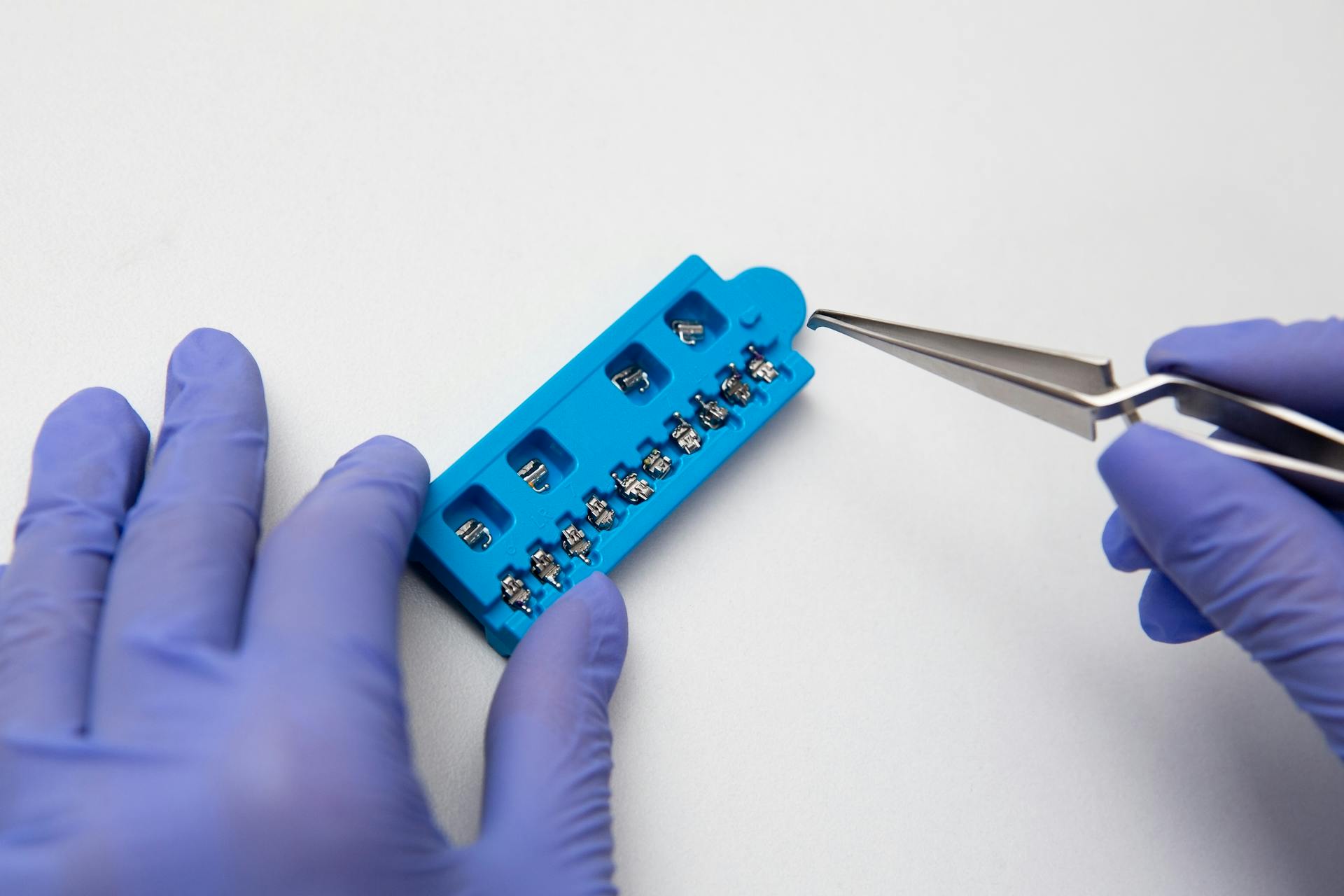
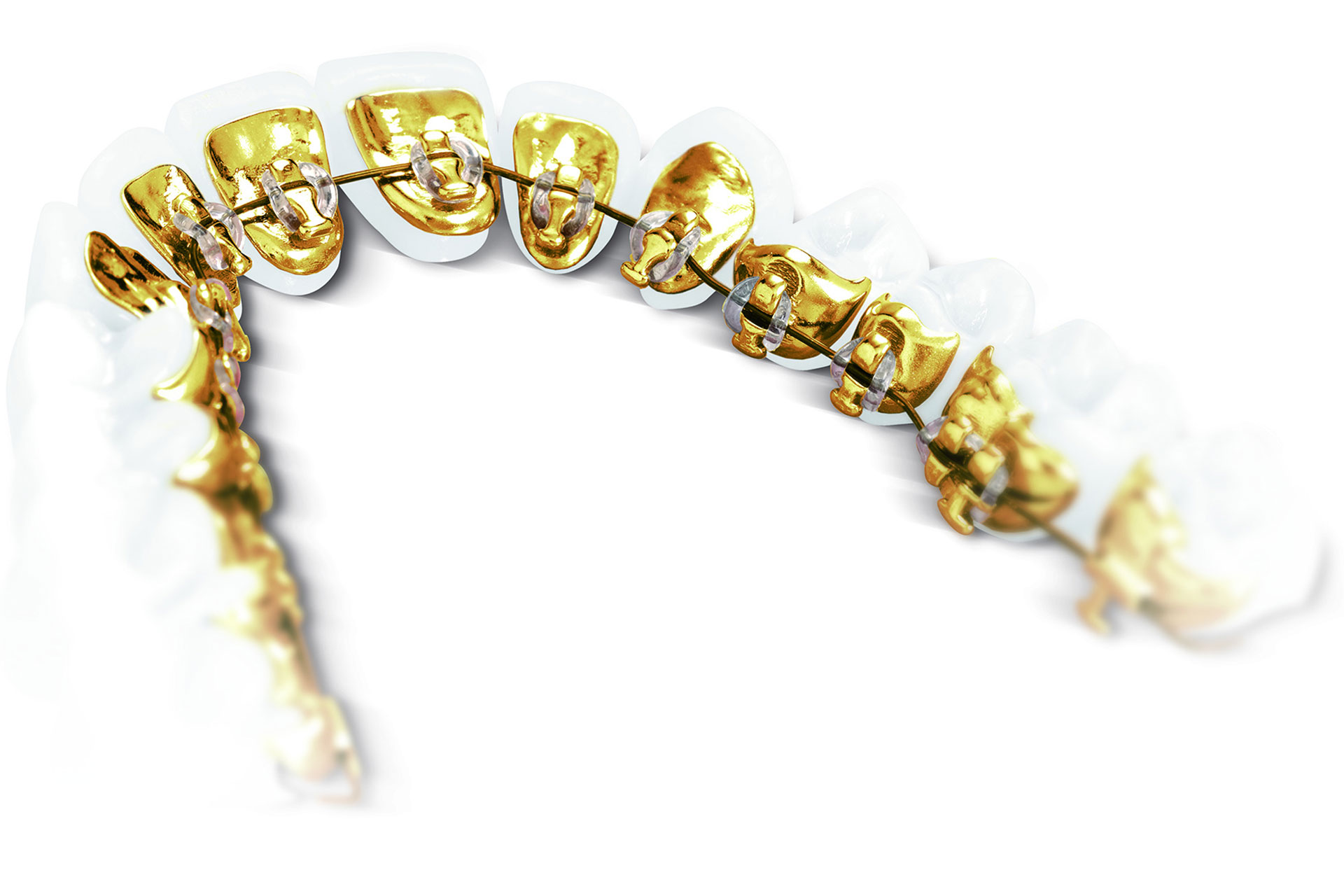
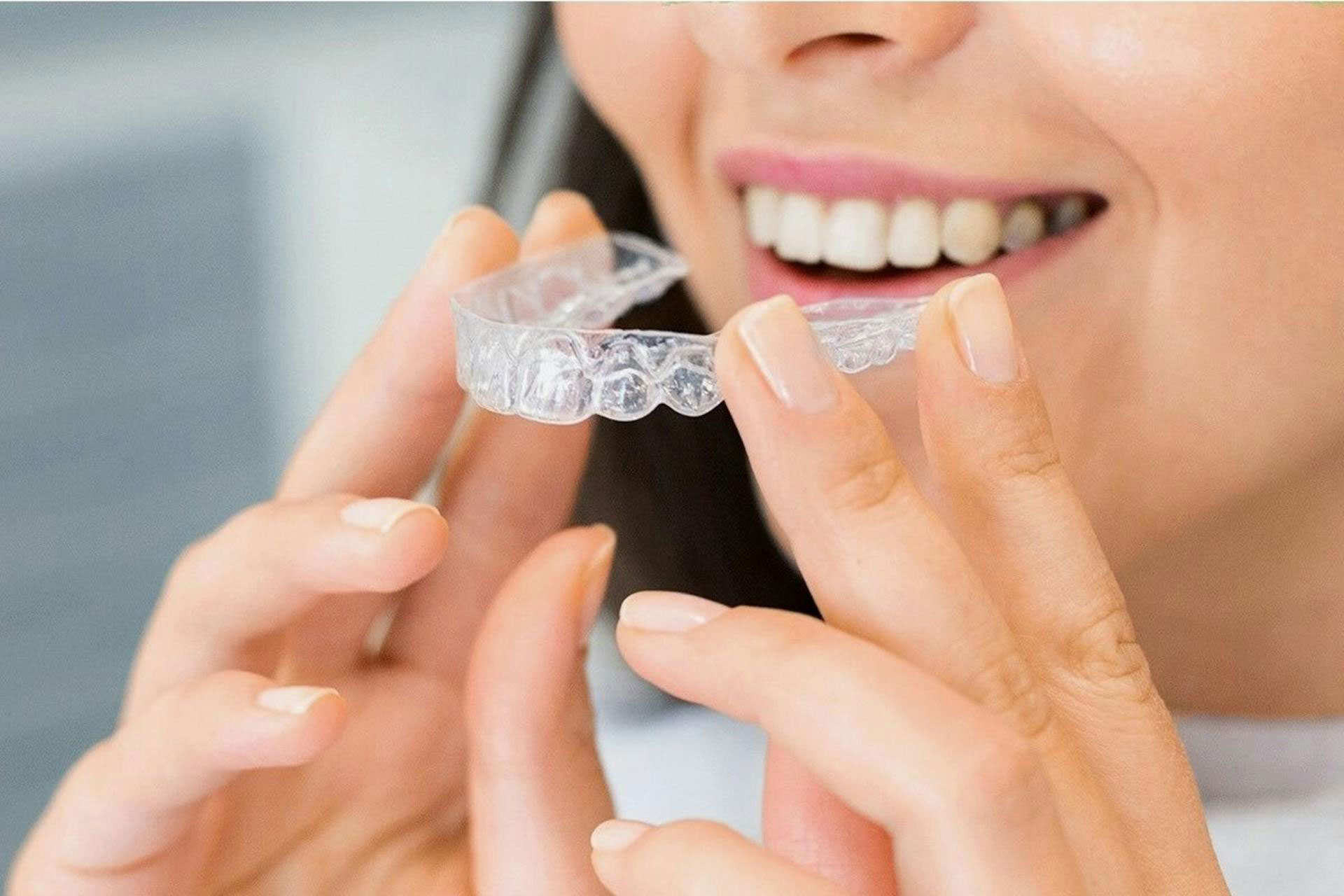
Orthodontic options that may be relevant depending on the individual presentation include habit-breaking appliances — fixed or removable devices designed to make the sucking habit mechanically difficult to continue and to allow the teeth and jaw to recover — as well as growth appliances to address any narrowing of the upper arch, and braces or other fixed appliances if bite correction is needed once the permanent teeth have erupted. Where speech has been affected, referral to a speech pathologist may also be appropriate as part of a broader management plan.
Dr Carolyn Ng welcomes children for an initial assessment at any age where there is a concern about dental development. No referral is required so feel free to contact us.
Most orthodontists and paediatric dentists begin to take note of sucking habits that are still vigorous at around four to five years of age. If the habit continues beyond six to seven years — when the permanent front teeth are typically erupting — the risk of lasting dental changes increases. Earlier is always better when it comes to assessment.
The dental effects of thumb sucking and dummy use are broadly similar when the habits are equally vigorous. In practice, dummy habits tend to stop earlier because the dummy can be removed, which reduces the overall duration of the habit and its impact on dental development.
If the habit stops before the permanent teeth begin to erupt, the teeth and jaw often recover well without any lasting effect. Once the permanent teeth are present and have been affected by a prolonged habit, the degree of self-correction is more limited and orthodontic treatment may be needed.
A habit-breaking appliance is a fixed or removable orthodontic device designed to make the sucking habit mechanically difficult to continue. It sits in the roof of the mouth and disrupts the suction that makes the habit satisfying, which helps break the cycle. It is typically used when behavioural approaches alone have not been sufficient and the habit is affecting dental development.
A dummy used without sweeteners does not cause tooth decay. However, dipping a dummy in honey, jam, or sweetened liquids significantly increases the risk of early childhood tooth decay, which can affect the primary teeth and has implications for the development of the permanent teeth beneath them.
No referral is required. You can contact the practice directly to arrange an initial assessment for your child at any time.
Most orthodontists and paediatric dentists begin to take note of sucking habits that are still vigorous at around four to five years of age. If the habit continues beyond six to seven years — when the permanent front teeth are typically erupting — the risk of lasting dental changes increases. Earlier is always better when it comes to assessment.
The dental effects of thumb sucking and dummy use are broadly similar when the habits are equally vigorous. In practice, dummy habits tend to stop earlier because the dummy can be removed, which reduces the overall duration of the habit and its impact on dental development.
If the habit stops before the permanent teeth begin to erupt, the teeth and jaw often recover well without any lasting effect. Once the permanent teeth are present and have been affected by a prolonged habit, the degree of self-correction is more limited and orthodontic treatment may be needed.
A habit-breaking appliance is a fixed or removable orthodontic device designed to make the sucking habit mechanically difficult to continue. It sits in the roof of the mouth and disrupts the suction that makes the habit satisfying, which helps break the cycle. It is typically used when behavioural approaches alone have not been sufficient and the habit is affecting dental development.
A dummy used without sweeteners does not cause tooth decay. However, dipping a dummy in honey, jam, or sweetened liquids significantly increases the risk of early childhood tooth decay, which can affect the primary teeth and has implications for the development of the permanent teeth beneath them.
No referral is required. You can contact the practice directly to arrange an initial assessment for your child at any time.




The Orthodontist Advantage
Dr. Carolyn Ng firmly believes that a beautiful smile can unlock a life of greater confidence and well-being. She is a highly skilled specialist and an expert in orthodontics and dentofacial orthopaedics.
Orthodontic specialists like Dr. Carolyn customizes each treatment—whether braces, clear aligners, or other discreet options—to fit your lifestyle and goals, helping you achieve a smile you’ll be proud of for years to come.
At her orthodontic practice in Hawthorn, Victoria, she works collaboratively and patiently with all her patients in creating beautiful, healthy smiles.
The information contained on this website is general in nature and does not cover all appliances or treatment modalities. It does not take into account your personal situation. Any surgical or invasive procedure carries risks. You should consider whether the information is appropriate to your needs, and where appropriate, seek advice from a dental professional.

Dr. Carolyn Ng
Orthodontist Hawthorn