

Specialist Orthodontist

Lingual Braces in Hawthorn
Lingual braces are a unique orthodontic treatment option that offers the benefits of traditional braces with the added advantage of near invisibility.
Unlike traditional braces, which are attached to the front surface of the teeth, lingual braces are custom-designed to fit on the back surface, facing the tongue.
This hidden placement makes them virtually invisible to others, providing a more aesthetically pleasing solution for individuals who wish to improve their smile without drawing attention to their orthodontic treatment.
Why Choose Lingual Braces?

Lingual braces are like traditional braces. A wire is placed and tightened by the orthodontist throughout treatment producing a gentle force on the brackets, which moves teeth in the desired direction.
Like metal and ceramic braces, lingual braces are highly effective at correcting a wide range of orthodontic problems, including overcrowding, gaps, misalignment, and bite issues.
Most lingual braces are manufactured to be as small as possible, allowing for minimal changes to normal function and speech.
Lingual braces are the most aesthetically functional option for those who are self-conscious about having braces but do not want aligners.
Lingual braces are a viable option for both teenagers and adults who desire virtually invisible orthodontic treatment.
Appliance Examples
The technology behind lingual braces is constantly improving. Some lingual braces work in the same way as their more traditional counterparts, with rubber rings to hold the wire in place. Whilst others use a metal gate that holds the archwire in place.
Lingual Brackets
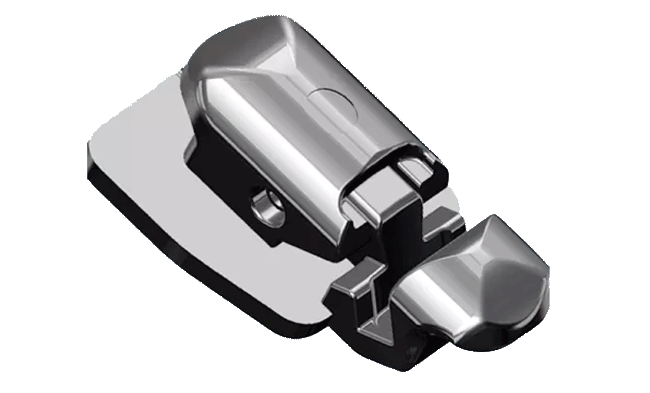
Invisible Brilliance: Maximum Discretion!
The optimal timing to begin lingual braces treatment can vary depending on individual factors such as age, dental alignment issues, and overall oral health.
In general, adolescents and adults who have all or most of their permanent teeth are suitable candidates for lingual braces.
Candidates for lingual braces typically have mild to moderate dental misalignment issues, such as crowded teeth, gaps, or minor bite irregularities. However, lingual braces may not be suitable for everyone, especially those with severe orthodontic problems or certain dental conditions.
Lingual braces are an excellent choice for individuals who desire a discreet orthodontic solution without sacrificing effectiveness.
They are particularly popular among professionals, actors, musicians, and anyone who values a confident smile without visible braces.


Dr Carolyn Ng — Specialist Orthodontist Hawthorn
Choosing an experienced and qualified orthodontist like Dr Carolyn is crucial for successful lingual braces treatment.
Orthodontists undergo specialised training beyond dental school to become experts in diagnosing, preventing, and correcting dental and facial irregularities.
Dr Carolyn combines her extensive expertise with a personalized approach to ensure each person receives the highest standard of care. From the initial consultation to the final result, she will guide you through every step of your lingual braces journey, ensuring optimal comfort, efficiency, and satisfaction.
The information contained on this website is general in nature and does not cover all appliances or treatment modalities. It does not take into account your personal situation. Any surgical or invasive procedure carries risks. You should consider whether the information is appropriate to your needs, and where appropriate, seek advice from a dental professional.
Frequently Asked Questions About Lingual Braces
Related Articles
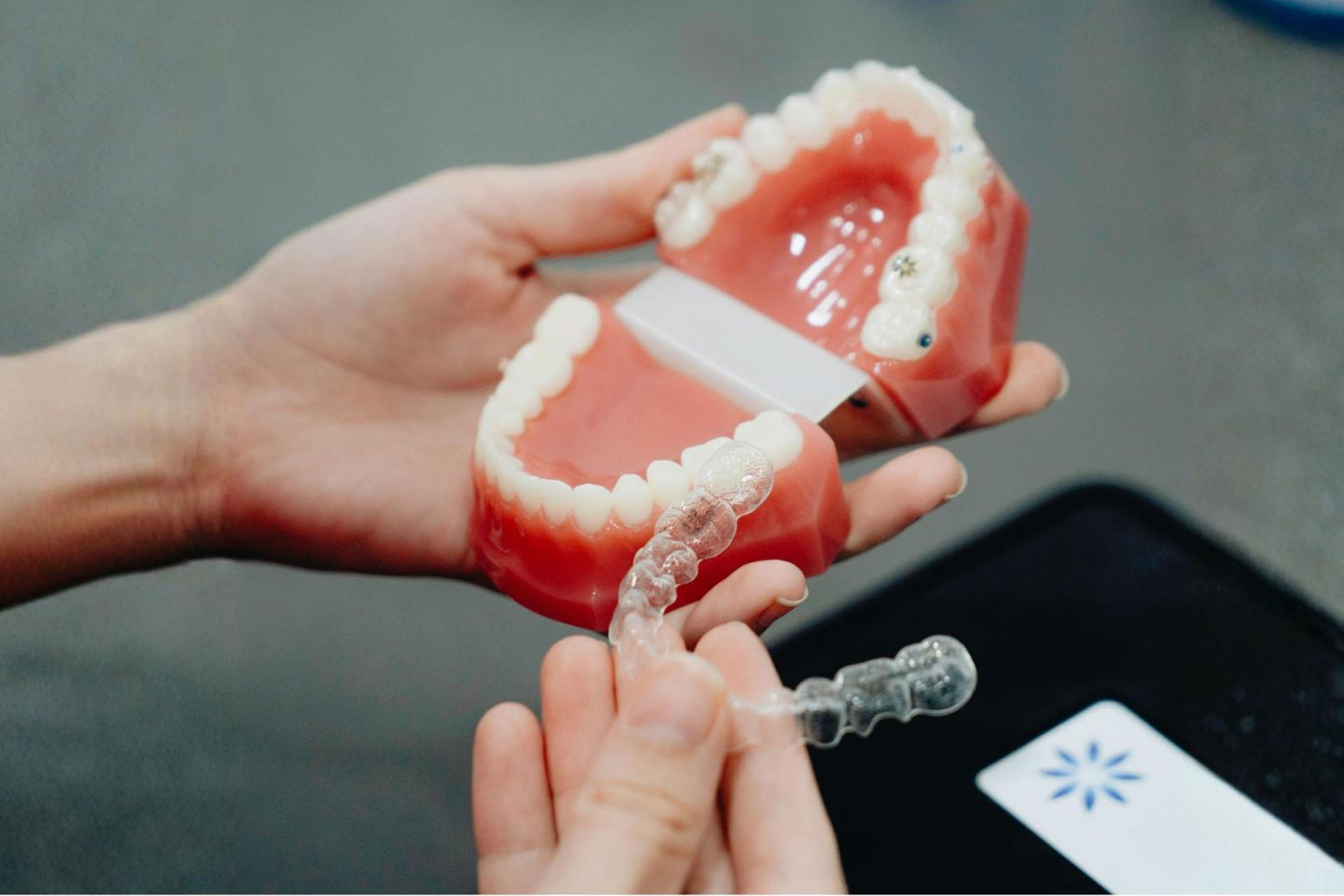
Clear Aligners: Understanding How They Work and What to Expect
Clear aligners are a removable orthodontic option that uses a series of custom-fitted transparent trays to gradually move teeth. Here is what the treatment process involves and what to consider when exploring your options.
Read more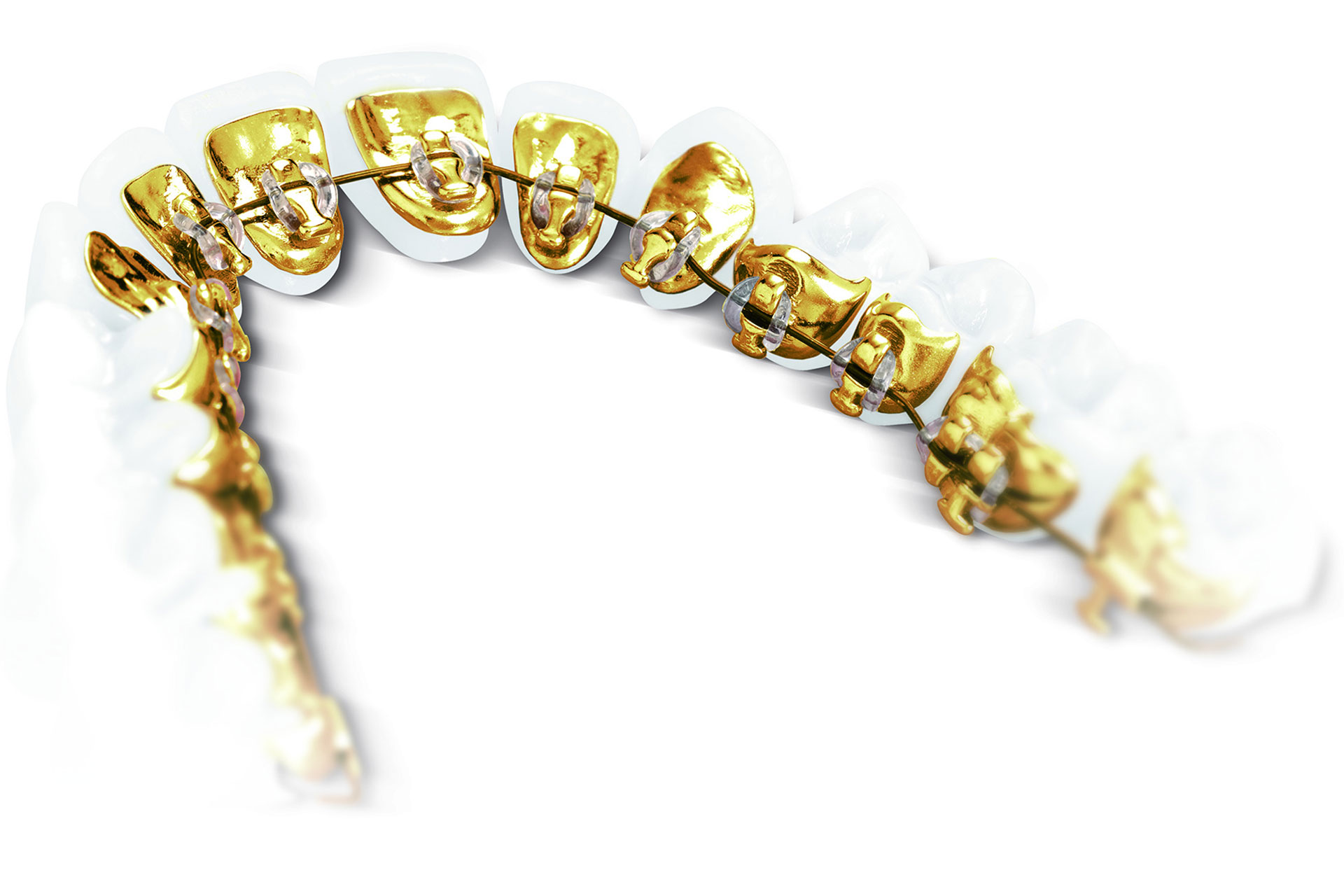
Lingual Braces: Orthodontic Treatment That Stays Hidden
Lingual braces attach to the back of the teeth, making them completely invisible from the front. For patients who want the precision of fixed orthodontic treatment without visible hardware, they are worth understanding in detail.
Read more
Tooth-Coloured and Clear Ceramic Braces
Ceramic braces use tooth-coloured or clear brackets bonded to the front of the teeth, making them considerably less visible than standard metal braces while working on the same clinical principles. Here is what to understand before considering them as an option.
Read more
Orthodontist Hawthorn