
Dr Carolyn Ng – Specialist Orthodontist
Dr Carolyn Ng
Specialist Orthodontist
Specialist Orthodontist


Retainers After Orthodontic Treatment: What You Need to Know
Completing orthodontic treatment — whether with braces or aligners — is a significant milestone. But the end of active treatment is not the end of the process. Retainers play an essential role in maintaining the results achieved, and understanding why they matter makes it considerably easier to use them consistently.
Table of Contents
- Why Teeth Move After Treatment
- Types of Retainers
- How Long Should You Wear a Retainer?
- Caring for a Removable Retainer
- Caring for a Fixed Retainer
- When to Replace Your Retainer
- Frequently Asked Questions
Why Teeth Move After Treatment
When orthodontic appliances move teeth, they work on living bone and soft tissue. Once active treatment ends, those same tissues have a natural tendency to return toward their original positions — a process known as relapse. This is not a flaw in the treatment; it is simply how the body responds when the forces that were directing tooth movement are removed.
Retainers work by holding teeth in their new positions while the surrounding bone and ligaments remodel and stabilise. Without consistent retainer wear, unwanted tooth movement can occur, sometimes quite quickly in the first months after treatment, and more gradually over subsequent years.
Types of Retainers
There are two main categories of retainers, and Dr Carolyn will recommend the most appropriate option based on your treatment outcome and lifestyle.
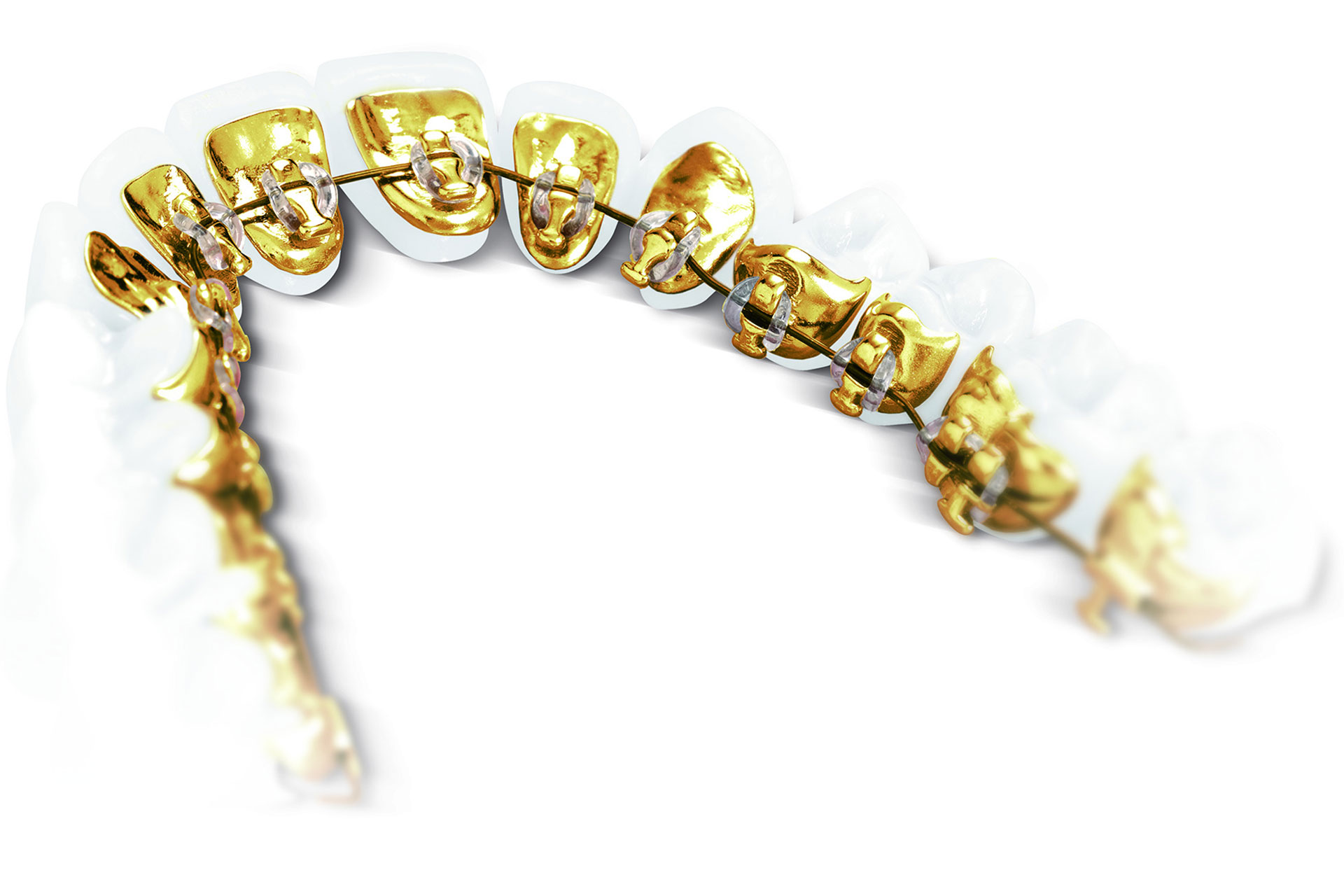
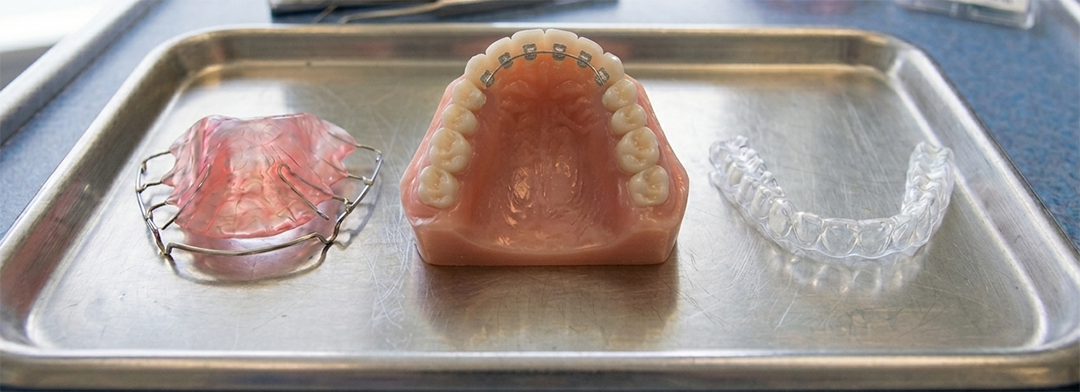
Fixed retainers consist of a thin wire bonded to the inner surface of the front teeth. Because they are permanently in place, they require no conscious effort to wear and are completely discreet. The trade-off is that cleaning around the wire requires a little more attention and the use of floss threaders or interdental brushes.
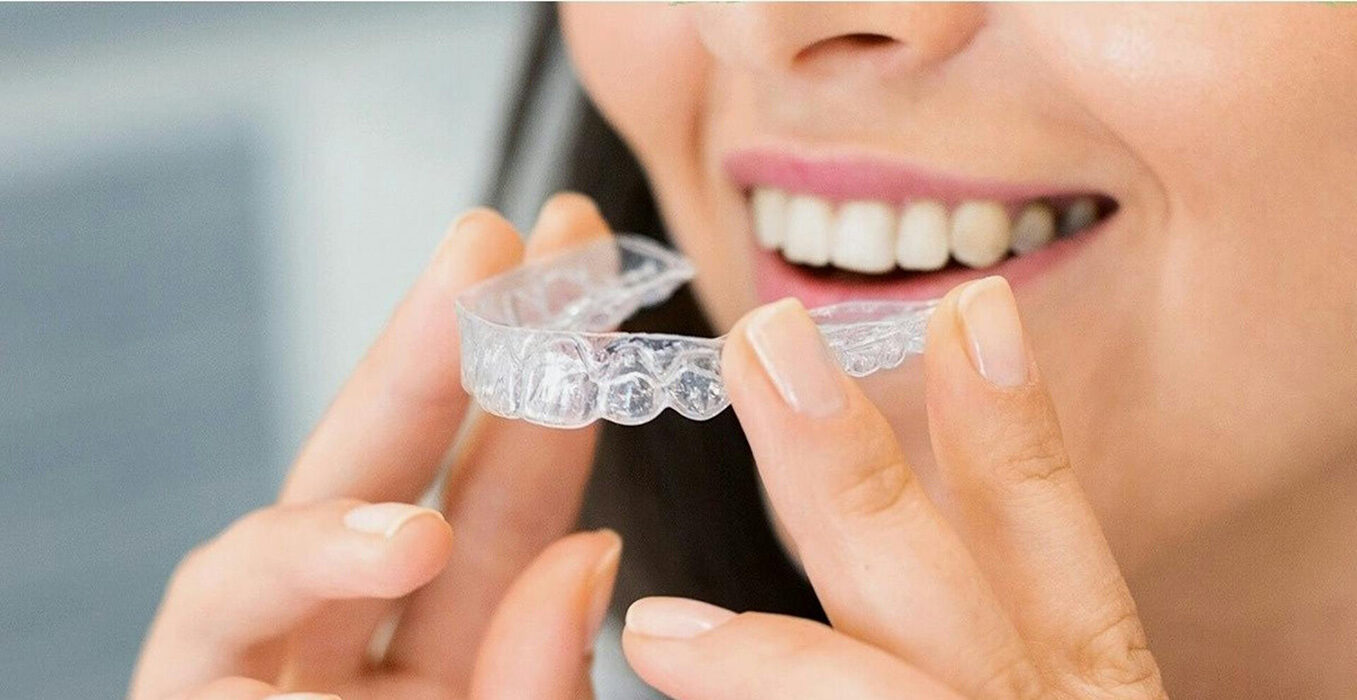
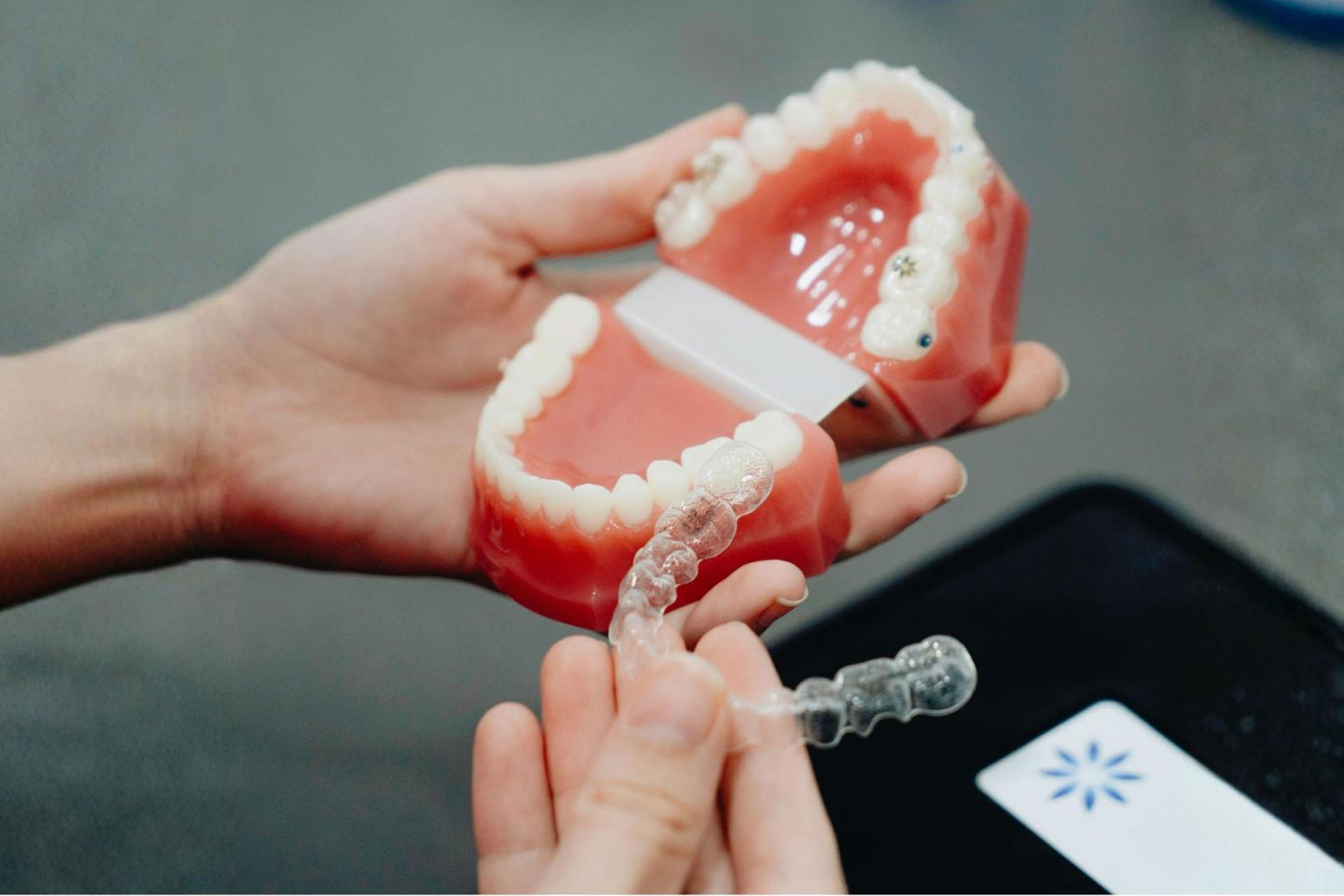
Removable retainers come in two forms. The first is the Hawley type retainer, which uses an acrylic plate and a metal wire. It is durable, can be adjusted if minor tooth movement occurs, and is relatively easy to repair. The second is the clear (Essix) retainer, a transparent vacuum-formed tray that is nearly invisible when worn. Clear retainers are easy to clean and comfortable for most patients, though they can warp in heat and are not adjustable if the fit changes over time.
Some patients are fitted with both a fixed and a removable retainer, depending on which teeth are most at risk of movement.
How Long Should You Wear a Retainer?
Dr Carolyn will advise you on the specific wear schedule appropriate for your treatment outcome, as individual cases vary. As a general guide, most patients wear their retainer full time in the first year — removing it only for meals and oral hygiene — and then transition to night-time wear on an ongoing basis thereafter.
The most important thing to understand is that lapses in wear, particularly in the early months after treatment, can allow teeth to shift more quickly than expected. If you notice the retainer feels tighter than usual when you put it in, this is a sign that some movement has occurred and it is worth contacting the practice promptly. The longer a retainer is left out, the more difficult it becomes to reinsert, and in some cases a replacement or further intervention may be needed. So contact us if you have lost your retainer.

Caring for a Removable Retainer
Removable retainers require daily cleaning to prevent bacteria and plaque build-up. Brushing the retainer with a soft-bristled toothbrush each day is the simplest and most effective method. Standard toothpaste is best avoided as it is mildly abrasive and can scratch the surface over time, creating microscopic grooves where bacteria can accumulate.
Soaking the retainer weekly in a 1:1 solution of white vinegar and water for 15 to 20 minutes helps remove mineral deposits and odour. Retainer cleaning tablets can also an option to use. Ask Dr Carolyn about cleaning options.
A few practical habits are worth establishing from the start. Always store the retainer in its protective case when it is not being worn; retainers left on benches or wrapped in tissues are easily lost or accidentally discarded. Keep the retainer away from heat sources and direct sunlight, as the plastic can warp and affect the fit. Clean the case itself regularly, as a dirty case will re-contaminate a clean retainer.
Caring for a Fixed Retainer
Fixed retainers require thorough daily cleaning around the wire using a soft toothbrush. Reaching beneath the wire to remove plaque requires a floss threader or an interdental brush as regular floss alone is not sufficient. Water flossers can also be a useful addition to the routine.
It is important to attend regular dental check-ups while wearing a fixed retainer, as tartar can accumulate around the wire over time in a way that home cleaning cannot fully address. Your dentist will also be able to confirm that the bonding remains intact. If a wire comes loose or a bracket detaches, contact the practice promptly as a loose section of wire that is not attended to can allow adjacent teeth to move.
When to Replace Your Retainer
Removable retainers do not last indefinitely. If you notice cracks, persistent warping, or a fit that has changed despite consistent wear, it is worth having the retainer assessed. Discolouration or odour that does not resolve with regular cleaning can also indicate that the appliance has reached the end of its useful life.
Replacing a retainer when needed is a straightforward and relatively modest part of the long-term investment in your orthodontic result. Allowing teeth to drift because a retainer is no longer fitting correctly is a much more significant problem to correct.
A replacement retainer costs a fraction of retreatment fees and keeps your smile secure
Frequently Asked Questions
Ongoing retainer wear is the most reliable way to maintain your orthodontic result long term. The specific schedule — whether full time, night time only, or a reduced frequency — will depend on your individual case and will be discussed with Dr Carolyn at the end of your treatment.
Teeth have a natural tendency to shift after orthodontic treatment. The degree and speed of movement varies between individuals, but in most cases some relapse will occur if retainer wear is discontinued, particularly in the first year after treatment.
Removable retainers should be taken out for meals. Eating with them in place can damage the appliance and trap food against the teeth. Fixed retainers remain in place at all times, though care should be taken with hard or sticky foods.
A retainer that feels tighter than usual is a sign that some tooth movement has occurred. Contact the practice promptly rather than forcing the retainer in or leaving it out. Early intervention is almost always simpler than addressing movement that has been allowed to progress.
Brush thoroughly around the wire twice daily with a soft toothbrush, and use a floss threader or interdental brush to clean beneath the wire. Regular dental check-ups are also important to manage tartar accumulation and confirm that the bonding remains secure.
Contact the practice as soon as possible to arrange a replacement. The longer the gap without a retainer, the greater the risk of unwanted tooth movement.


The Orthodontist Advantage
Dr. Carolyn Ng firmly believes that a beautiful smile can unlock a life of greater confidence and well-being. She is a highly skilled specialist and an expert in orthodontics and dentofacial orthopaedics.
Orthodontic specialists like Dr. Carolyn customizes each treatment—whether braces, clear aligners, or other discreet options—to fit your lifestyle and goals, helping you achieve a smile you’ll be proud of for years to come.
At her orthodontic practice in Hawthorn, Victoria, she works collaboratively and patiently with all her patients in creating beautiful, healthy smiles.
The information contained on this website is general in nature and does not cover all appliances or treatment modalities. It does not take into account your personal situation. Any surgical or invasive procedure carries risks. You should consider whether the information is appropriate to your needs, and where appropriate, seek advice from a dental professional.

Dr. Carolyn Ng
Orthodontist Hawthorn