


Dr Carolyn Ng – Specialist Orthodontist
Dr Carolyn Ng
Specialist Orthodontist
Specialist Orthodontist
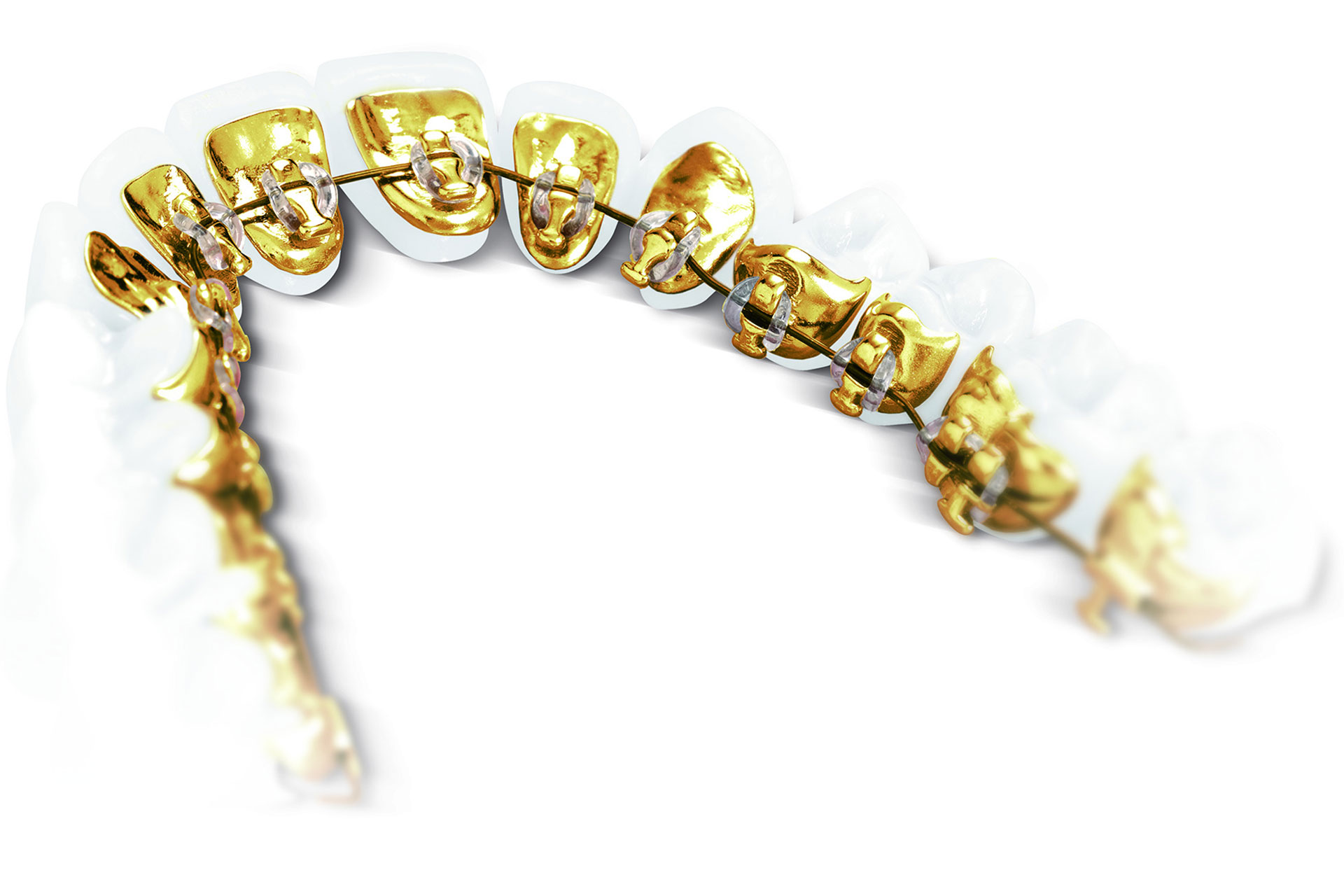
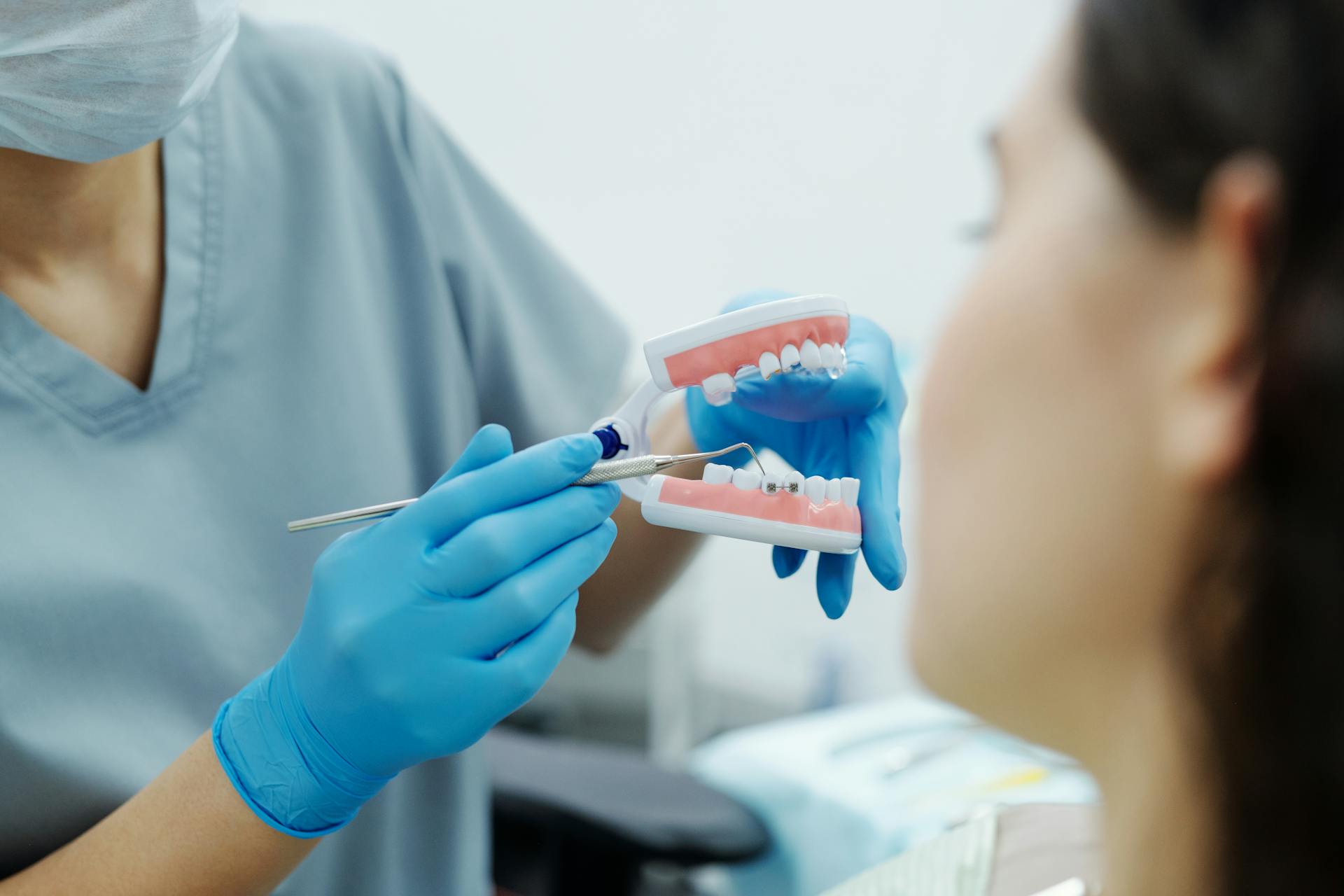

Metal Braces: A Reliable Orthodontic Option

Metal braces are the most established fixed orthodontic appliance available, with a clinical history spanning well over a century. While newer options have expanded the choices available to patients, metal braces remain a highly effective and widely used treatment for the full range of orthodontic presentations, from mild crowding to complex bite corrections. Understanding how they work, what wearing them involves, and how they compare to other options helps in making an informed decision about orthodontic treatment.
Table of Contents
- How Metal Braces Work
- What Wearing Metal Braces Involves
- Oral Hygiene During Treatment
- What Metal Braces Can Treat
- Metal Braces Compared to Other Options
- Is This the Right Option for You?
- Frequently Asked Questions
How Do Metal Braces Work?
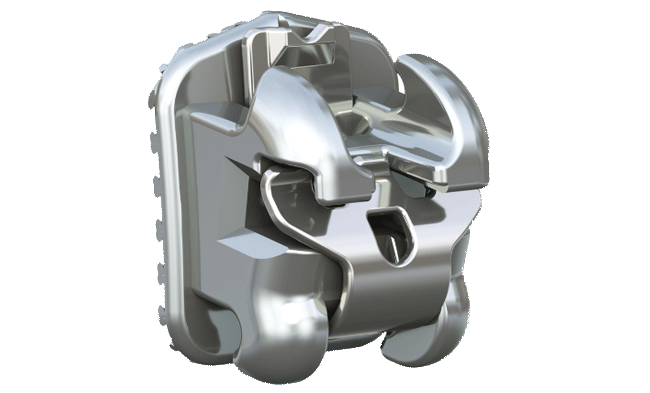
Metal braces use a system of brackets, archwires, and accessory components to apply controlled forces to the teeth, moving them gradually into their planned positions over the course of treatment.
Brackets
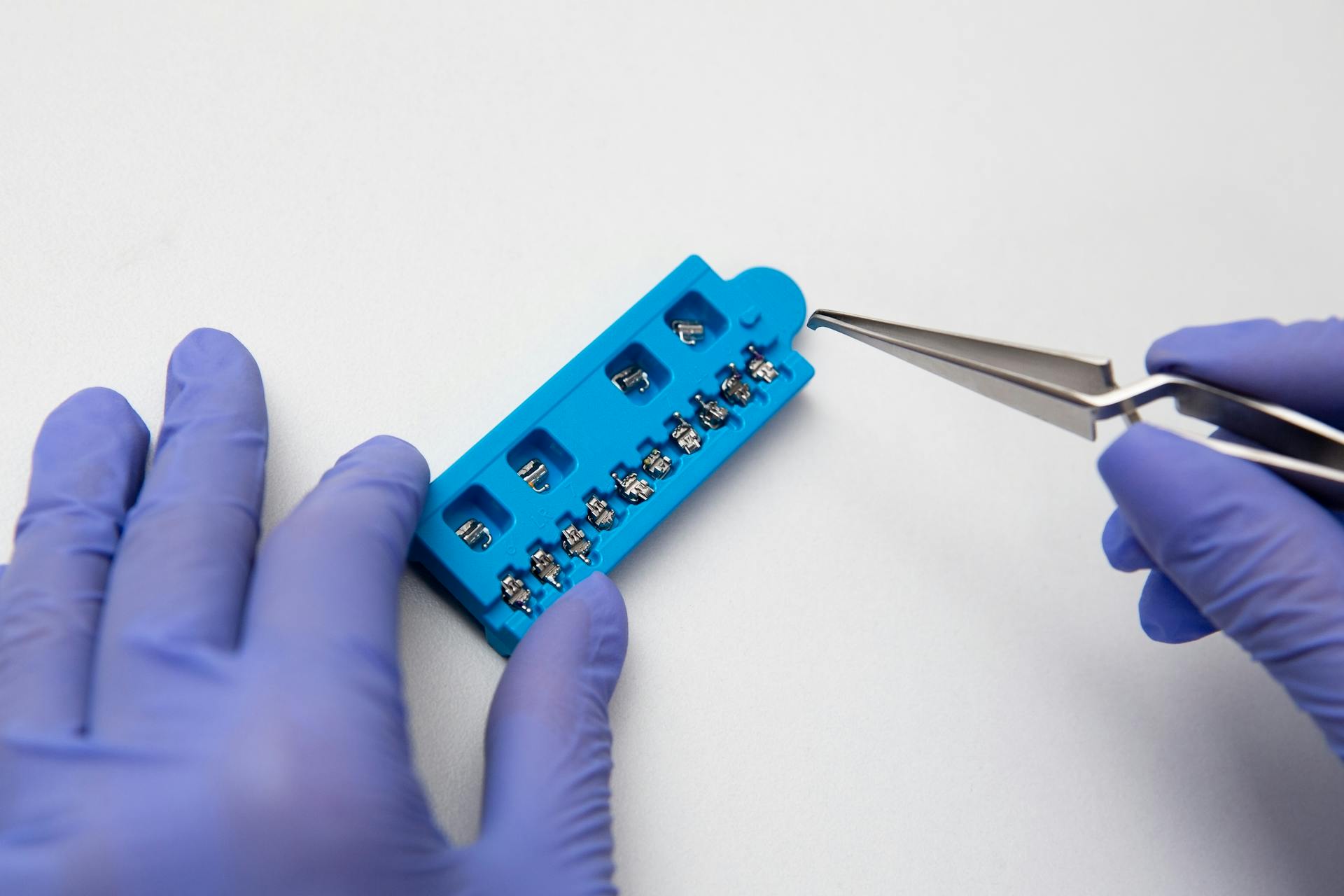
The brackets are small, square attachments made from stainless steel, bonded to the front surface of each tooth using a dental adhesive. Each bracket has a slot through which the archwire runs, allowing precise directional control over tooth movement.
Archwire
The archwire connects all the brackets and is the primary source of the forces that move the teeth. Archwires are made from different materials depending on the stage of treatment. Nickel-titanium wires are typically used early in treatment because they are flexible and apply lighter, more consistent forces as the teeth begin to align. Stiffer stainless steel wires are generally introduced later to achieve more precise positioning.
Accessory components
A range of accessory components — including modules, ligature ties, coils, springs, and elastics — are used alongside the brackets and wire to refine and control tooth movement at each stage. Elastics in particular are frequently used to address bite relationships, and patients are often asked to wear them between upper and lower teeth for parts of their treatment. Understanding the full treatment process from initial fitting through to debonding gives a clearer picture of what each stage involves.
What Wearing Metal Braces Involves
Once the braces are placed, regular adjustment visits are scheduled approximately every six to eight weeks. At each visit, Dr Carolyn will assess progress, replace or adjust the archwire, and make any other changes needed to keep treatment on track. These appointments are typically shorter than the initial placement appointment and are an important part of how treatment progresses as tooth movement between visits is driven by the tension set at each adjustment.
Some discomfort in the first few days after the initial placement and after each adjustment visit is normal. The teeth and surrounding tissues are responding to new forces, and this typically settles within a day or two. Over-the-counter pain relief is usually sufficient if needed.
An initial adjustment period is also common as the lips and cheeks adapt to the brackets. Orthodontic wax can be used to cover any areas that are causing irritation while the soft tissue toughens. Most patients find this settles within the first two to three weeks. For a detailed outline of what to expect at each stage, the treatment process page covers each step from consultation through to retention.
Oral Hygiene During Treatment
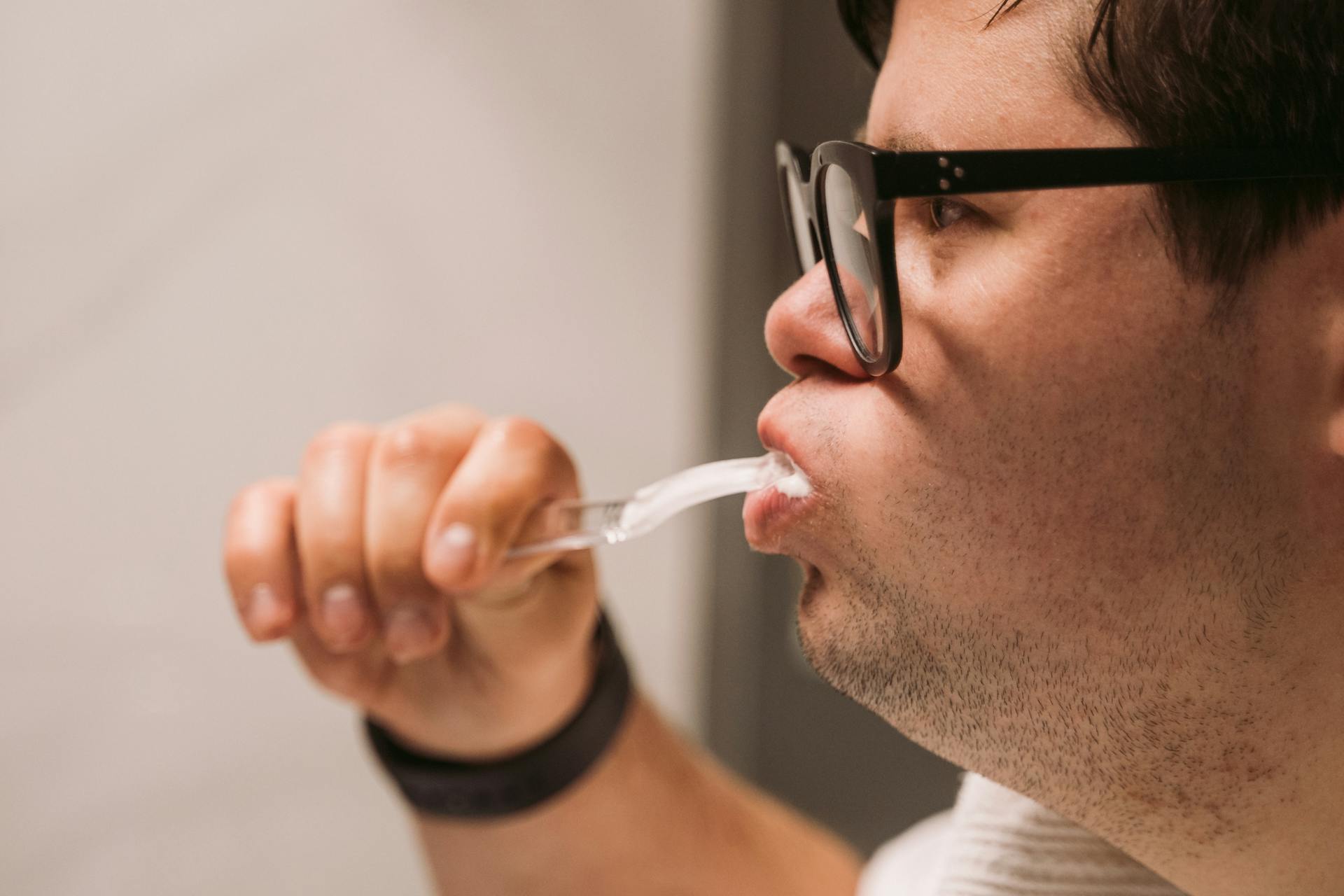
Maintaining thorough oral hygiene is important throughout fixed brace treatment. The brackets and wires create additional surfaces where plaque can accumulate, and cleaning requires a little more care and attention than without braces. Brushing after every meal using a soft-bristled toothbrush and fluoride toothpaste, and cleaning between the teeth using interdental brushes or floss threaders, is the standard recommendation.
Plaque that is not adequately removed around brackets can affect the enamel surface underneath. This is not unique to metal braces, it applies to any fixed appliance, but it is worth being diligent from the start of treatment. Some patients find a water flosser a useful addition to their routine for reaching areas that are difficult to clean with conventional tools.
Dietary considerations are also relevant. Hard, crunchy, or sticky foods can dislodge brackets or bend wires, which leads to unscheduled repair visits and can affect the progress of treatment. Biting directly into hard foods, crusty bread, raw carrots, apples, hard lollies, is best avoided. Foods can still be eaten if cut into smaller pieces. The same care applies to habits such as chewing pens or fingernails..
What Metal Braces Can Treat
Metal braces are suitable for the full range of orthodontic presentations, including crowding, spacing, overbite, underbite, crossbite, open bite, and complex bite corrections that may not be manageable with removable appliances. This breadth of applicability is one of the reasons metal braces remain a first-line option for many patients, particularly where the case is more complex or where precise three-dimensional control of individual teeth is important.
They are used across all age groups. In children they are a part of early interceptive treatment, in teenagers during the primary treatment phase, and in adults where the clinical situation warrants a fixed appliance. If you are an adult who has been wondering whether braces are still an option, adult orthodontics is more common than many people realise and metal braces are frequently part of that picture. For younger patients, early orthodontic assessment can help identify whether treatment at a particular stage of development would be beneficial.
Metal Braces Compared to Other Options
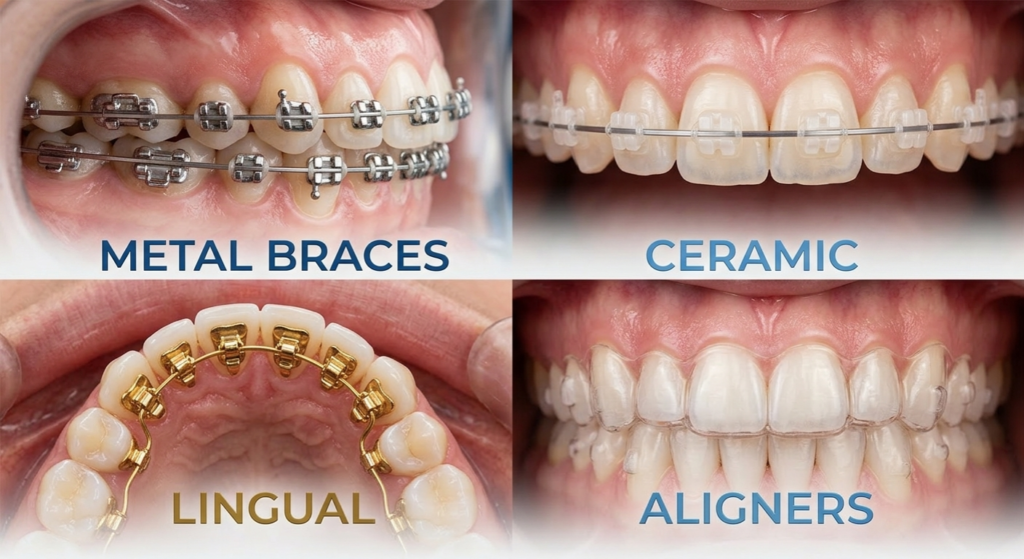
The table below offers a general overview of how metal braces compare to other orthodontic appliances. Individual suitability depends on clinical assessment by and orthodontist.
| Metal Braces | Ceramic Braces | Lingual Braces | Aligners |
|---|---|---|---|
| High visibility | Mild visibility | No visibility | Mild visibility |
| All cases | Most cases | Most cases | Some cases |
| Initial lip and cheek adjustments | Initial lip and cheek adjustments | Initial tongue and speech adjustments | Minimal discomfort |
| Moderate dietary modification | Moderate dietary modification | Moderate dietary modification | Minimal dietary modification |
If you are weighing up the choice between fixed braces and clear aligners more broadly, the article Braces or Aligners: Which Orthodontic Option Is Best for You? covers the considerations in more detail.
Is This the Right Option for You?
Metal braces are the most versatile fixed orthodontic appliance available and are suitable for the widest range of cases. If your orthodontic needs are straightforward, metal braces will address them. If your case is complex, metal braces are often the most reliable tool for managing it. Their visibility is the main trade-off and for many patients, particularly children and teenagers, that is not a significant concern.
For patients who are conscious of appearance during treatment, it is worth knowing that the choice is not simply metal versus everything else. Ceramic braces offer a less visible front-facing option. Lingual braces are hidden entirely behind the teeth. Clear aligners are removable and transparent. Each option has its own clinical indications and trade-offs, and the right choice depends on your specific presentation and priorities.
Dr Carolyn Ng will discuss all relevant options at your initial consultation and help you understand which appliance is most appropriate for your situation. No referral is required, just contact the practice to arrange a time.
Frequently Asked Questions
Metal braces remain one of the most versatile and precise orthodontic tools available and are suitable for the full range of presentations, including complex cases that may not be manageable with removable appliances. Effectiveness depends on the clinical situation — no single appliance is best for every patient.
Some discomfort in the first few days after placement and after each adjustment visit is normal. The teeth are responding to new forces, and this typically settles within one to two days. Over-the-counter pain relief is usually sufficient. The lips and cheeks may also take a few weeks to adjust to the brackets, and orthodontic wax can help with any areas of irritation during that period.
Treatment time varies depending on the complexity of the case. Most treatments take between 18 and 24 months, though some cases may be shorter or longer. Dr Carolyn will provide a personalised estimate following your initial assessment and the preparation of a treatment plan.
Yes. Metal braces are used across all age groups. For adults who are concerned about the appearance of metal braces, ceramic braces, lingual braces, or clear aligners may be worth exploring depending on the clinical situation. Dr Carolyn will discuss all relevant options at your consultation.
Metal braces typically involve a lower material cost than ceramic braces, lingual braces, or clear aligner systems, and this is often reflected in the overall treatment fee. A full fee estimate will be provided following your initial assessment. Finance options are also available — the finance information page has more detail.
No referral is required. You can contact the practice directly to arrange an initial consultation at any time.


The Orthodontist Advantage
Dr. Carolyn Ng firmly believes that a beautiful smile can unlock a life of greater confidence and well-being. She is a highly skilled specialist and an expert in orthodontics and dentofacial orthopaedics.
Orthodontic specialists like Dr. Carolyn customizes each treatment—whether braces, clear aligners, or other discreet options—to fit your lifestyle and goals, helping you achieve a smile you’ll be proud of for years to come.
At her orthodontic practice in Hawthorn, Victoria, she works collaboratively and patiently with all her patients in creating beautiful, healthy smiles.
The information contained on this website is general in nature and does not cover all appliances or treatment modalities. It does not take into account your personal situation. Any surgical or invasive procedure carries risks. You should consider whether the information is appropriate to your needs, and where appropriate, seek advice from a dental professional.

Dr. Carolyn Ng
Orthodontist Hawthorn