

Dr Carolyn Ng – Specialist Orthodontist
Dr Carolyn Ng
Specialist Orthodontist
Specialist Orthodontist

Early Orthodontic Assessment for Children: What Parents Need to Know

Many parents assume orthodontic treatment is something that happens in the teenage years, once all the permanent teeth have come through. While the teenage years are certainly when most comprehensive treatment takes place, waiting until then to have a first assessment means missing a window that can be genuinely useful — and in some cases, clinically significant.
The Australian Society of Orthodontists recommends that children have their first orthodontic assessment by around age seven. This does not mean treatment will begin at seven — in the majority of cases, it will not. What it means is that a specialist orthodontist can assess how the teeth and jaws are developing, identify any concerns that are best addressed early, and establish a baseline for monitoring the child’s growth over time.
Table of Contents
- What Does a General Dentist Do?
- What an Early Assessment Involves
- A Protected Title — What That Means in Australia
- When to See a Dentist, and When to See an Orthodontist
- How Dentists and Orthodontists Work Together
- Not Sure Where to Start?
- Frequently Asked Questions
Why Early Orthodontic Visits Matter
Orthodontic problems don’t always show up on the surface. Crooked teeth, jaw misalignment, snoring, eating difficulties, and speech delays may all trace back to issues developing below the gumline. Through early x-rays, 3D scans, and facial assessments, orthodontists like Dr Carolyn Ng can detect and address these concerns before they become bigger, more expensive problems.
Best Age to Visit the Orthodontist
Most children benefit from their first orthodontic evaluation around age 7. By then:
- Some permanent teeth have erupted
- Jaw growth patterns are visible
- Orthodontists can spot extra or missing teeth
- Bite alignment issues may already be developing
Starting early doesn’t mean starting braces right away. It means getting expert guidance on whether treatment is needed now—or later.
What Parents Often Notice First
You might spot subtle signs that something’s off—crooked teeth, difficulty chewing, persistent mouth breathing, snoring, or speech delays. Even if everything seems fine on the surface, much of what occurs in the mouth happens beneath it. A specialist assessment ensures nothing is missed during critical growth phases.
The Benefits of Early Orthodontic Treatment
Most children benefit from their first orthodontic evaluation around age 7. By then:
- Improved jaw alignment
- Reduced risk of invasive treatment later
- Enhanced facial balance
- Better speech and chewing habits
- Increased self-esteem before adolescence
Why choose a Specialist Orthodontist?
Your family dentist may pick up some orthodontic issues and organise a referral for an assessment with an orthodontist. You do not need a referral to visit an orthodontist. Early evaluations give parents peace of mind and provide children with the best chance for natural and confident smile development.
By having an assessment and treatment performed by a registered specialist orthodontist such as Dr. Carolyn, you can be assured of a healthy, balanced and beautiful smile. She has undergone an additional 3 years of full time training after becoming a dentist, in the field of orthodontics and dentofacial orthopaedics and has the skills and expertise in creating amazing smiles.

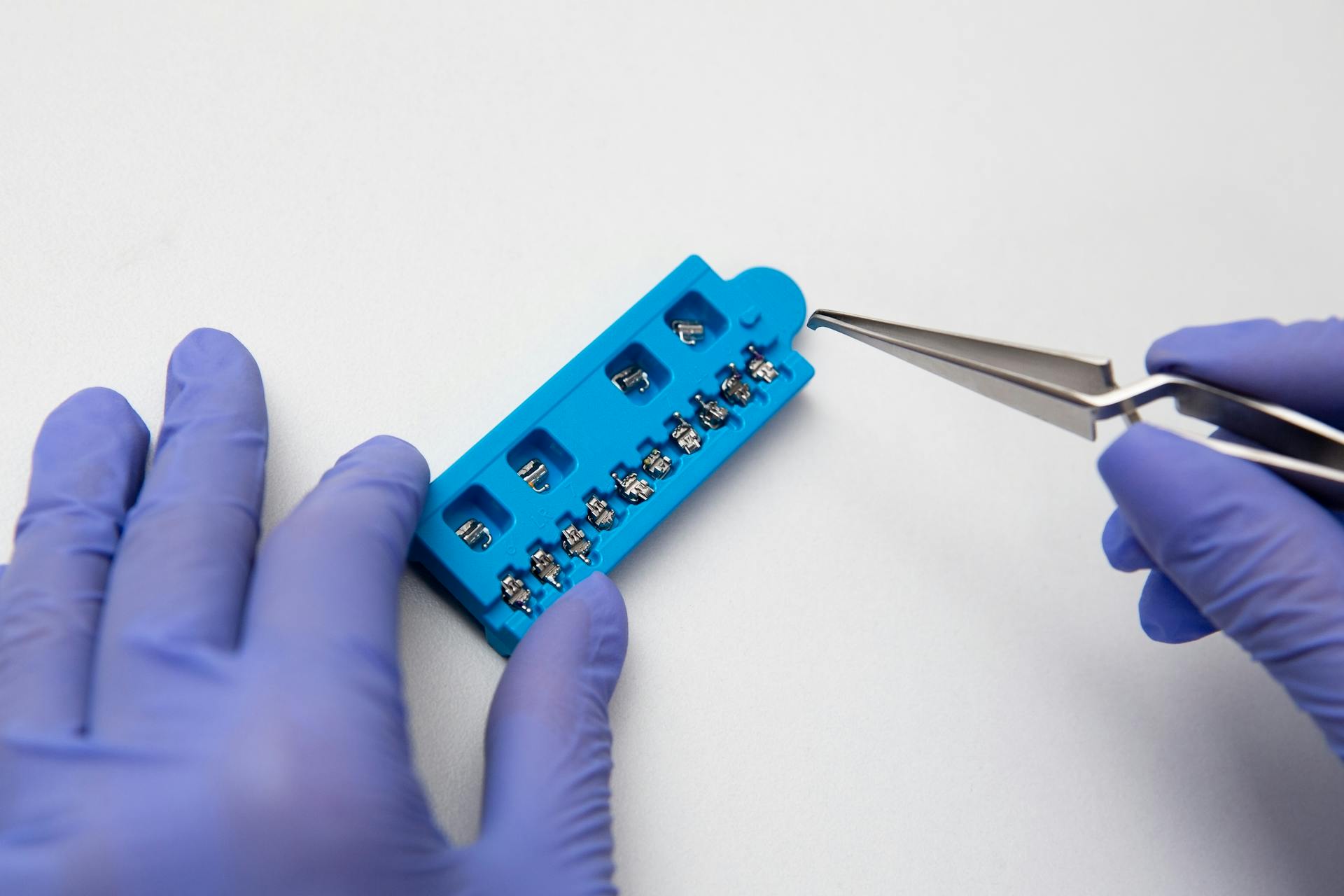
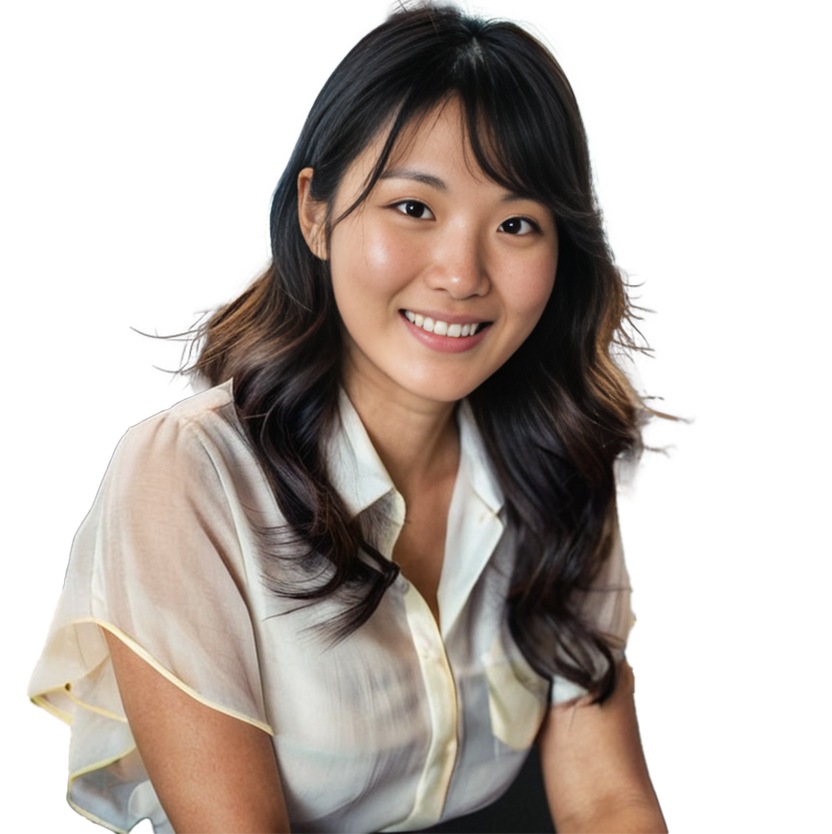
The Orthodontist Advantage
Dr. Carolyn Ng firmly believes that a beautiful smile can unlock a life of greater confidence and well-being. She is a highly skilled specialist and an expert in orthodontics and dentofacial orthopaedics.
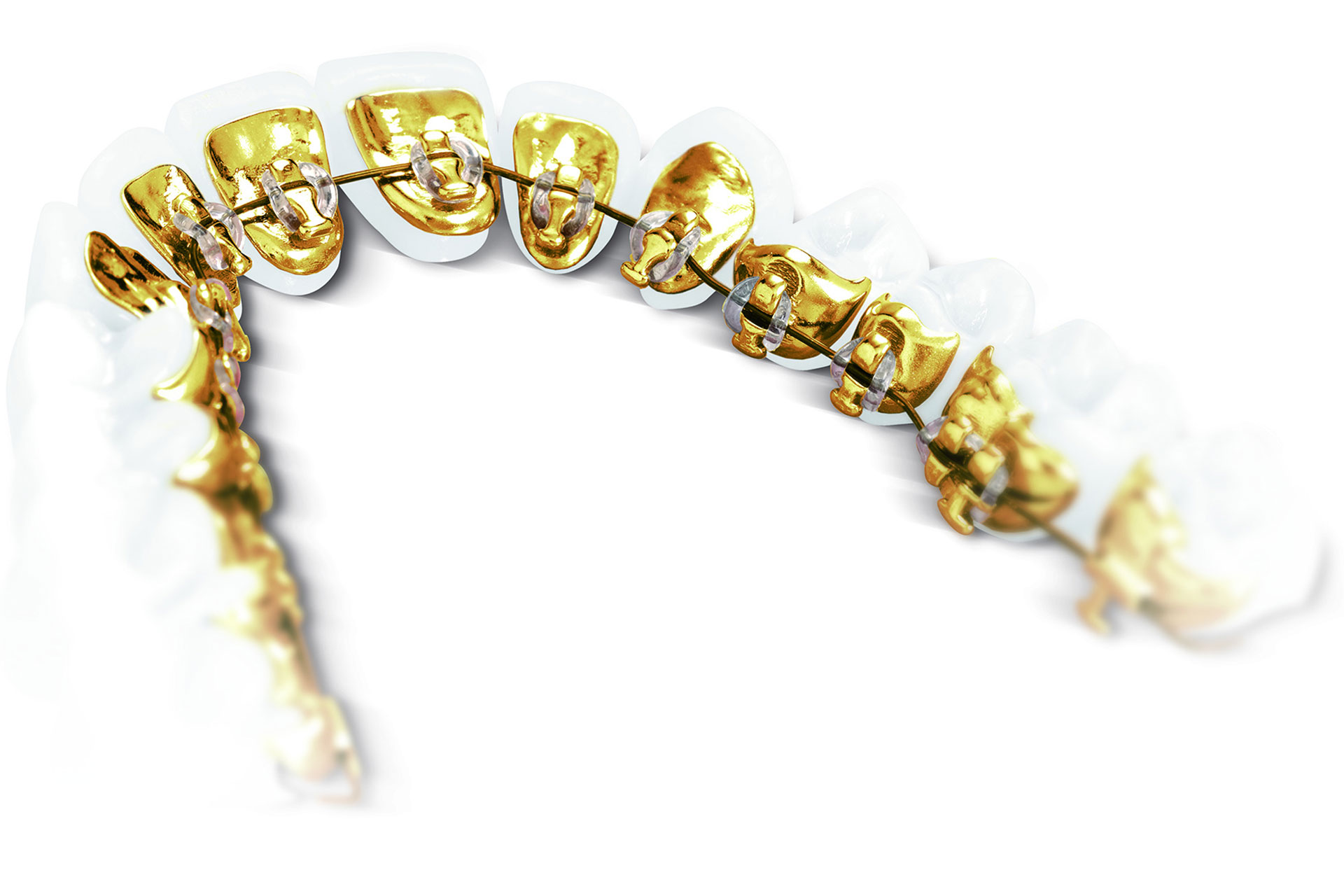
Orthodontic specialists like Dr. Carolyn customizes each treatment—whether braces, clear aligners, or other discreet options—to fit your lifestyle and goals, helping you achieve a smile you’ll be proud of for years to come.
At her orthodontic practice in Hawthorn, Victoria, she works collaboratively and patiently with all her patients in creating beautiful, healthy smiles.
The information contained on this website is general in nature and does not cover all appliances or treatment modalities. It does not take into account your personal situation. Any surgical or invasive procedure carries risks. You should consider whether the information is appropriate to your needs, and where appropriate, seek advice from a dental professional.

Dr. Carolyn Ng
Orthodontist Hawthorn