


Dr Carolyn Ng – Specialist Orthodontist
Dr Carolyn Ng
Specialist Orthodontist
Specialist Orthodontist

When Is the Right Time for Orthodontic Treatment?
it is one of the most common questions an orthodontist hears and it comes from two very different groups of people. Parents want to know when to bring their child in and whether they have left it too long. Adults want to know whether they have missed their window. The honest answer to both is more nuanced than a single age or threshold, and it depends considerably on the individual clinical situation.
Table of Contents
- Orthodontic Treatment in Children
- The Teenage Years — When Most Treatment Happens
- Adult Orthodontic Treatment
- Factors That Influence Timing
- When to Book an Assessment
- Not Sure Where to Start?
- Frequently Asked Questions
Orthodontic Treatment in Children
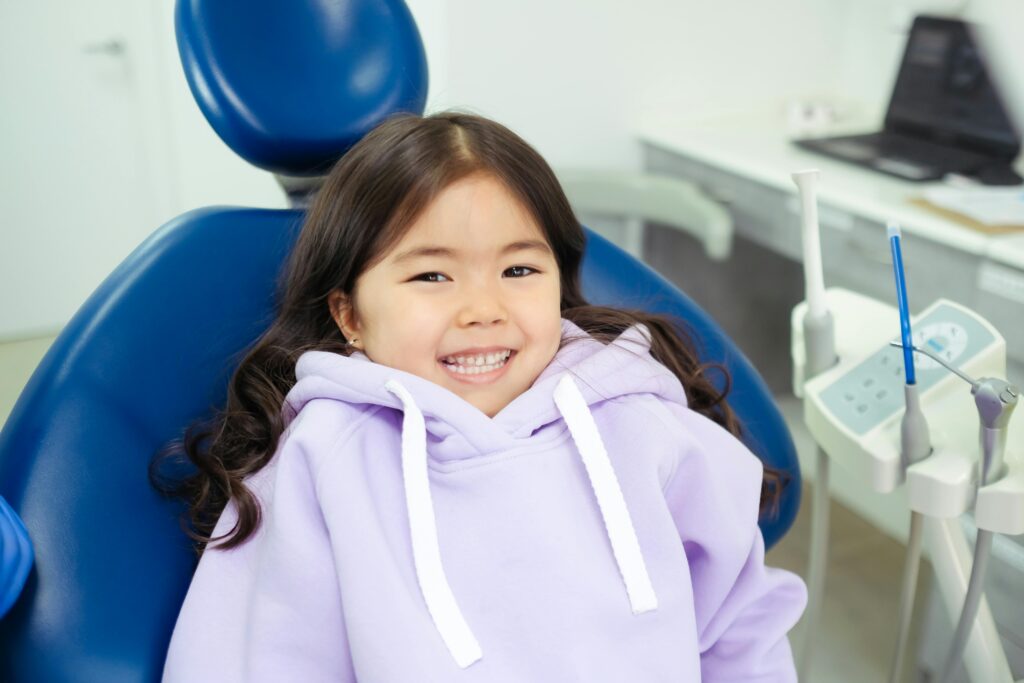
The Australian Society of Orthodontists recommends that children have their first orthodontic assessment by age seven. This does not mean treatment will begin at seven and in a lot of cases it will not. But it allows a specialist orthodontist to assess how the teeth and jaws are developing, identify any issues that benefit from early intervention, and establish a baseline for monitoring.
Early assessment is particularly valuable in specific situations. Children with significant crowding, crossbites, protruding front teeth, jaw discrepancies, or habits such as thumb sucking or mouth breathing may benefit from early interceptive treatment, sometimes called Phase One treatment, before the permanent teeth have fully erupted.
The goal of early treatment is not to complete orthodontic care in one phase, but to address developing problems at the time they are most responsive to intervention. Jaw growth, for instance, can be guided or modified more readily while a child is still actively growing than it can once growth has slowed. Growth appliances are one of the tools used in this phase. For children who do not require early treatment, monitoring through regular check-ups allows treatment to begin at the most appropriate stage of development. More detail on what early orthodontic care involves is available on the kids orthodontics page.
The Teenage Years is When Most Treatment Happens

The most common time for comprehensive orthodontic treatment is during adolescence, typically between the ages of 11 and 16, when most of the permanent teeth have erupted but jaw growth is still active. This window is often considered the primary treatment phase because the biology is working in the orthodontist’s favour as bone is still relatively responsive, growth can be used to assist tooth movement, and the permanent dentition is largely in place.
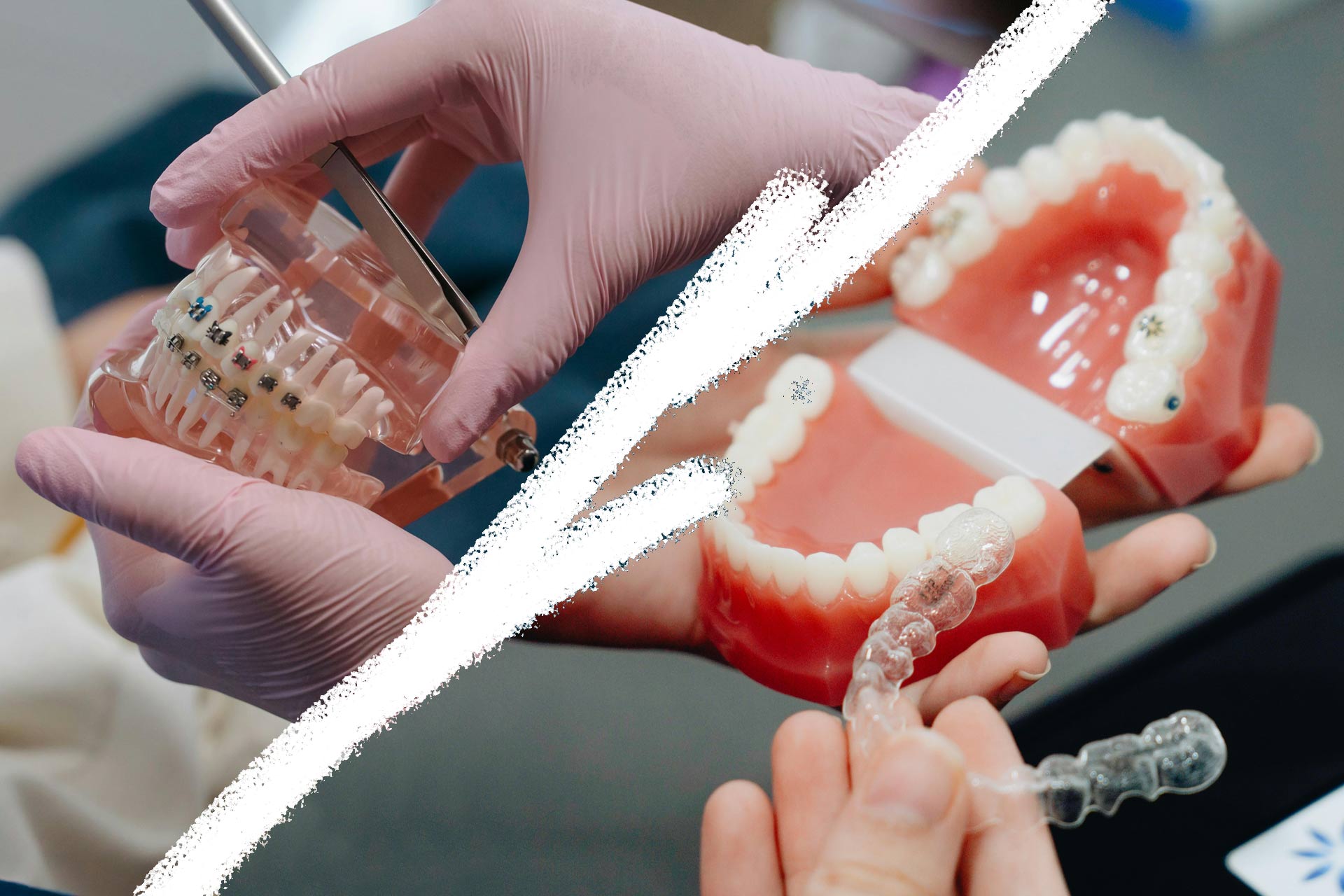
That said, the right timing within adolescence still varies between individuals. Eruption patterns, the presence of wisdom teeth, and the pace of jaw development all influence when treatment is best commenced. For teenagers considering their options, the teenage orthodontics page covers what this phase of treatment typically involves, and the braces or aligners article is worth reading for anyone weighing up their appliance options.
Adult Orthodontic Treatment

Age is not a barrier to orthodontic treatment. The biological process of tooth movement which is bone remodelling in response to controlled force, works throughout life. Adults can achieve the same quality of orthodontic outcomes as younger patients, provided underlying oral health is sound.
What does change in adults is the clinical context. Because adult bone is denser and more mature than growing bone, treatment may sometimes take a little longer. Dr Carolyn will also take into account the health of the gums and existing bone levels, any restorations such as crowns, bridges, or implants, habits such as grinding or clenching, and medications that may affect bone metabolism or gum tissue. None of these factors automatically exclude someone from treatment but they are considerations that inform the planning process.
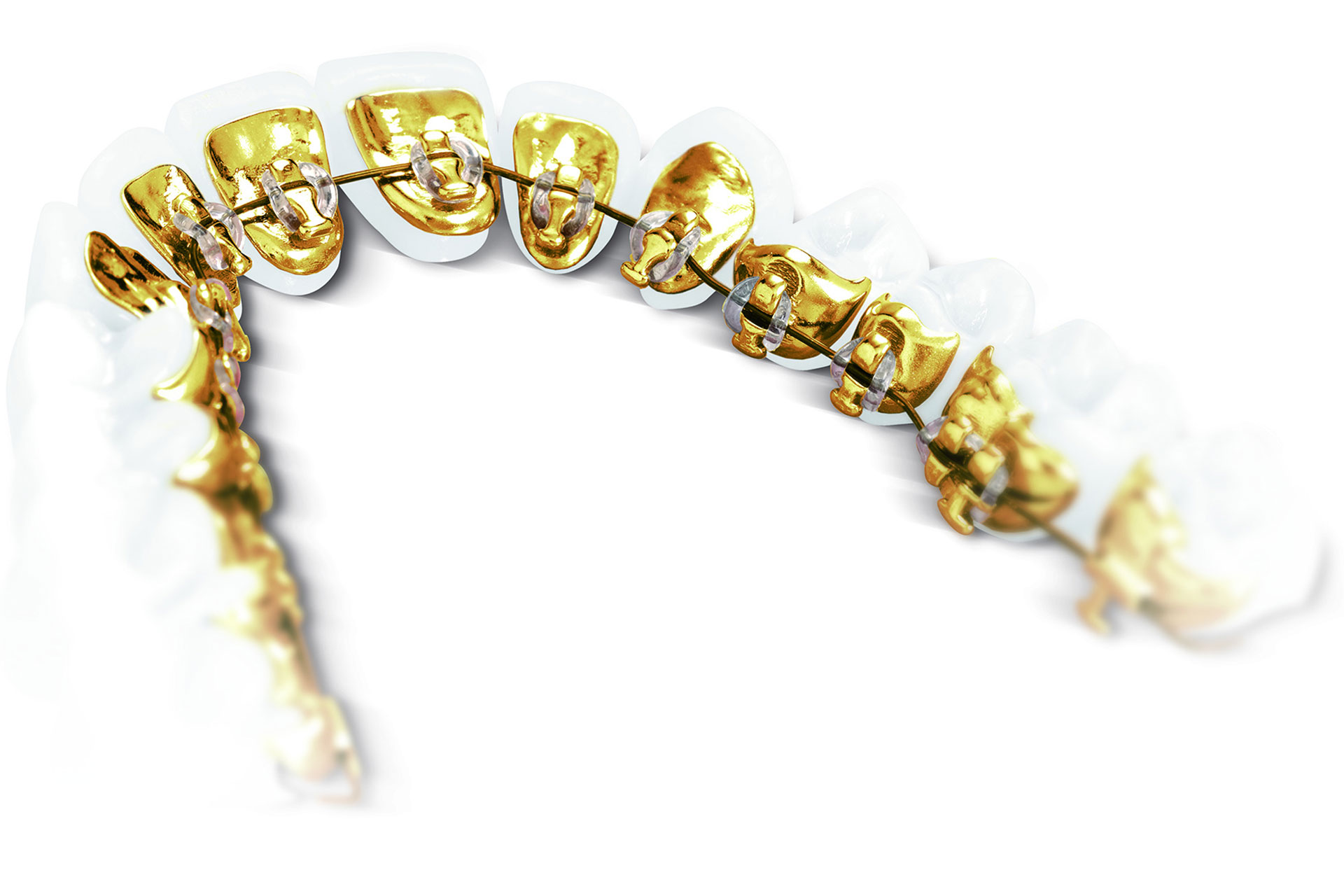
A meaningful proportion of orthodontic patients are adults, and many are surprised to discover how much is possible. For adults who are concerned about visibility during treatment, there are options that are far less noticeable than conventional metal braces including ceramic braces, lingual braces that sit completely behind the teeth, and clear aligners. The adult orthodontics page has more detail on what treatment at this stage of life typically involves.
Factors That Influence Timing
Across all age groups, the factors that most influence when treatment is appropriate include the nature and severity of the orthodontic problem, the stage of dental development and jaw growth, the health of the teeth, gums, and supporting bone, and the patient’s readiness to commit to treatment and care for their appliance consistently.
For children and teenagers, there is sometimes a genuine clinical advantage to acting at a particular window of development and while this is the exception rather than the rule, it is worth knowing about. For adults, the timing question is less about a window and more about whether the oral health foundation is in place to begin treatment safely and effectively. Understanding common orthodontic problems and how they are assessed is a useful starting point for anyone trying to understand what may be relevant to their situation.
When to Book an Assessment
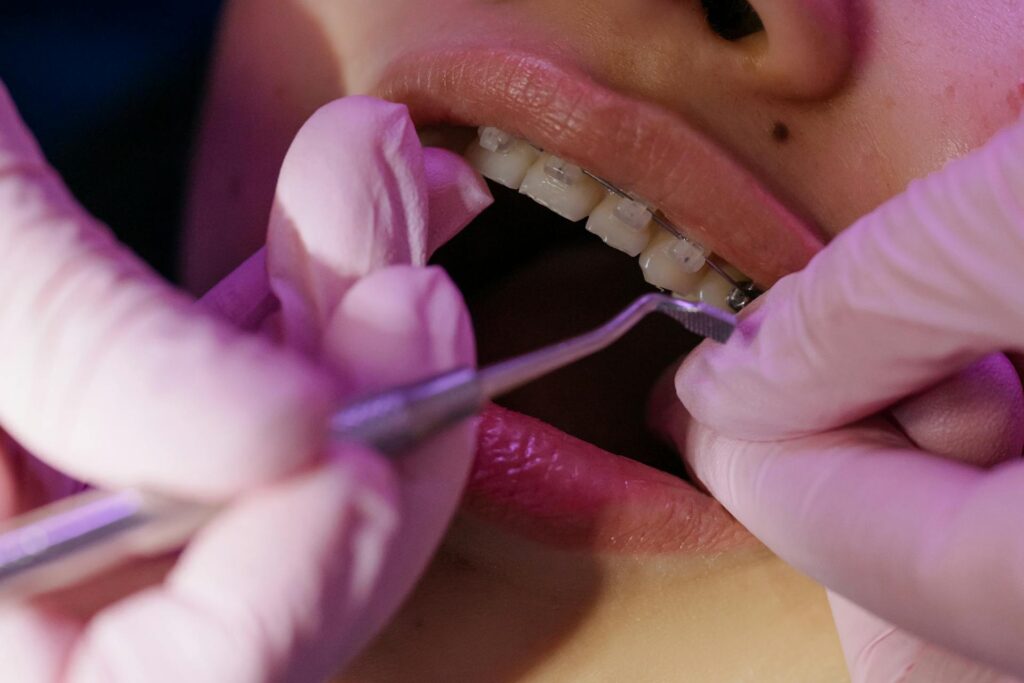
The practical answer to “when is the right time?” is: earlier than you think, and sooner than you are probably planning. For children, a first assessment at around age seven is recommended regardless of whether any obvious problems are present. For teenagers and adults, generally if you are considering orthodontics, earlier is better than later as an assessment establishes what is involved, what the options are, and whether there is any advantage to acting sooner rather than later.
An orthodontic assessment is not a commitment to treatment. It is information that means that if treatment is recommended, it can begin at the right time rather than reactively. To understand what a first consultation involves, the treatment process page outlines each step from the initial visit through to retention.
Dr Carolyn Ng welcomes patients of all ages for an initial assessment. No referral is required. Contact the practice to arrange a time.
Not Sure Where to Start
The most common reason people delay an orthodontic assessment is uncertainty about whether the timing is right or whether treatment is even necessary. In most cases, the assessment itself answers both of those questions and it does so without committing you to anything.
Whether you are a parent with questions about your child’s development, a teenager weighing up your options, or an adult who has been thinking about treatment for years, the first step is the same. An in-person assessment with diagnostic imaging gives Dr Carolyn a complete clinical picture and gives you the information you need to make a confident decision.
Dr Carolyn Ng is an Ahpra-registered Specialist Orthodontist practising in Hawthorn, Victoria. She sees patients of all ages and no referral is required. Get in touch to arrange your initial consultation.
Frequently Asked Questions
The Australian Society of Orthodontists recommends a first orthodontic assessment by age seven. This does not mean treatment will begin at that age — in most cases it will not — but it allows any developing problems to be identified and monitored at the right stage of dental development.
For comprehensive treatment, the adolescent years — typically between 11 and 16 — are often well-suited because most permanent teeth have erupted and jaw growth is still active. However, the right timing for any individual depends on their specific clinical situation rather than age alone. Some patients benefit from earlier treatment; others are better served waiting until the dentition is more developed.
No. Orthodontic treatment is possible at any age provided the underlying oral health is sound. Adult bone is denser than growing bone and treatment may sometimes take a little longer, but the same quality of outcomes is achievable. Many orthodontic patients are adults, including those in their 40s, 50s, and beyond.
Early interceptive treatment — sometimes called Phase One treatment — addresses specific developing problems before the permanent teeth have fully erupted. It is not appropriate for every child, but for those with crossbites, jaw discrepancies, significant crowding, or harmful habits affecting dental development, early intervention can reduce the complexity of later treatment or in some cases avoid certain problems altogether.
Treatment time varies considerably depending on the complexity of the case, the patient’s age, and the appliance used. Mild cases may be completed in less than 12 months; more complex cases can extend beyond 24 months. Dr Carolyn will provide a personalised estimate following your initial assessment.
No referral is required. You can contact the practice directly to arrange an initial assessment for yourself or your child at any time.


The Orthodontist Advantage
Dr. Carolyn Ng firmly believes that a beautiful smile can unlock a life of greater confidence and well-being. She is a highly skilled specialist and an expert in orthodontics and dentofacial orthopaedics.
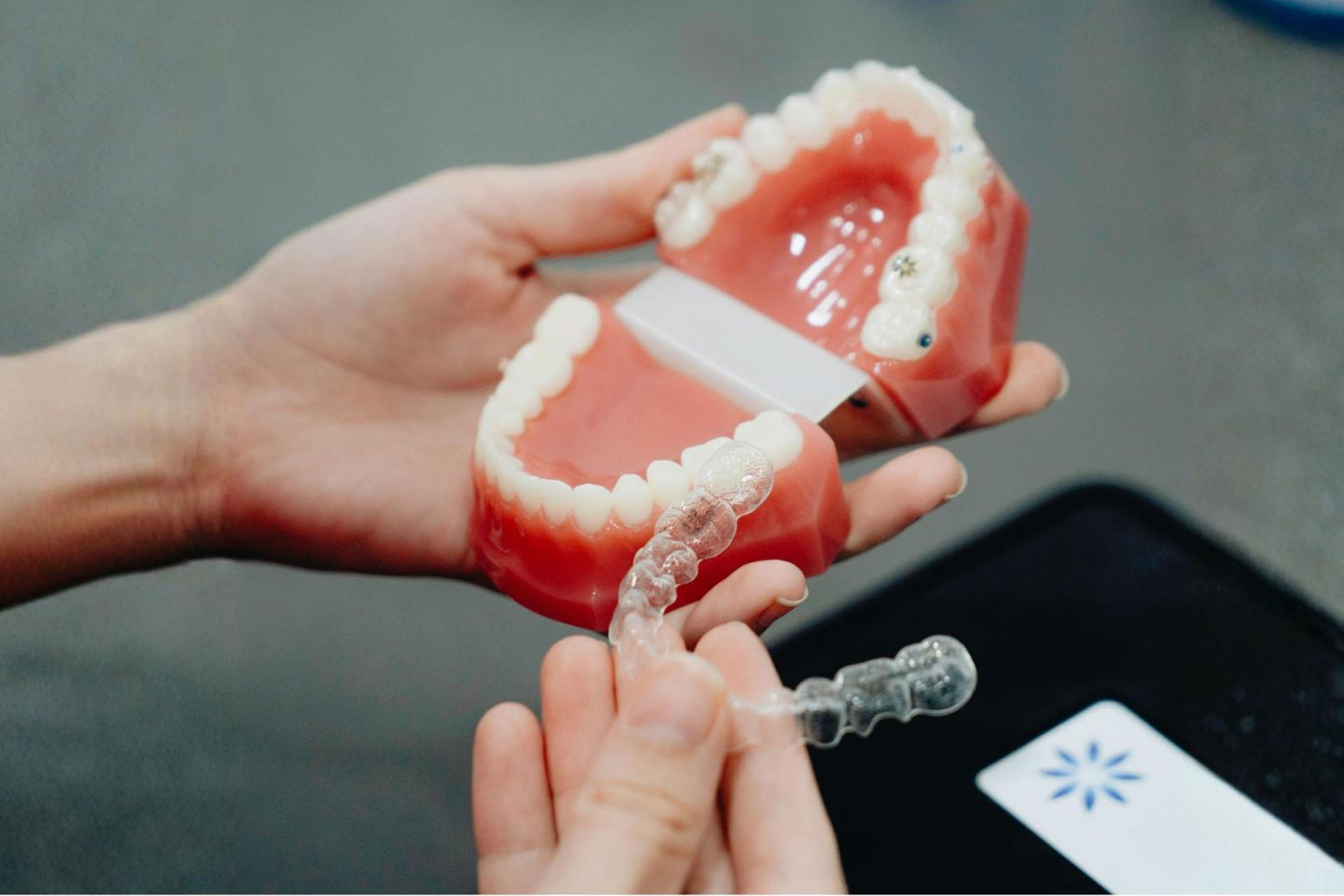
Orthodontic specialists like Dr. Carolyn customizes each treatment—whether braces, clear aligners, or other discreet options—to fit your lifestyle and goals, helping you achieve a smile you’ll be proud of for years to come.
At her orthodontic practice in Hawthorn, Victoria, she works collaboratively and patiently with all her patients in creating beautiful, healthy smiles.
The information contained on this website is general in nature and does not cover all appliances or treatment modalities. It does not take into account your personal situation. Any surgical or invasive procedure carries risks. You should consider whether the information is appropriate to your needs, and where appropriate, seek advice from a dental professional.

Dr. Carolyn Ng
Orthodontist Hawthorn