
Dr Carolyn Ng – Specialist Orthodontist
Dr Carolyn Ng
Specialist Orthodontist
Specialist Orthodontist


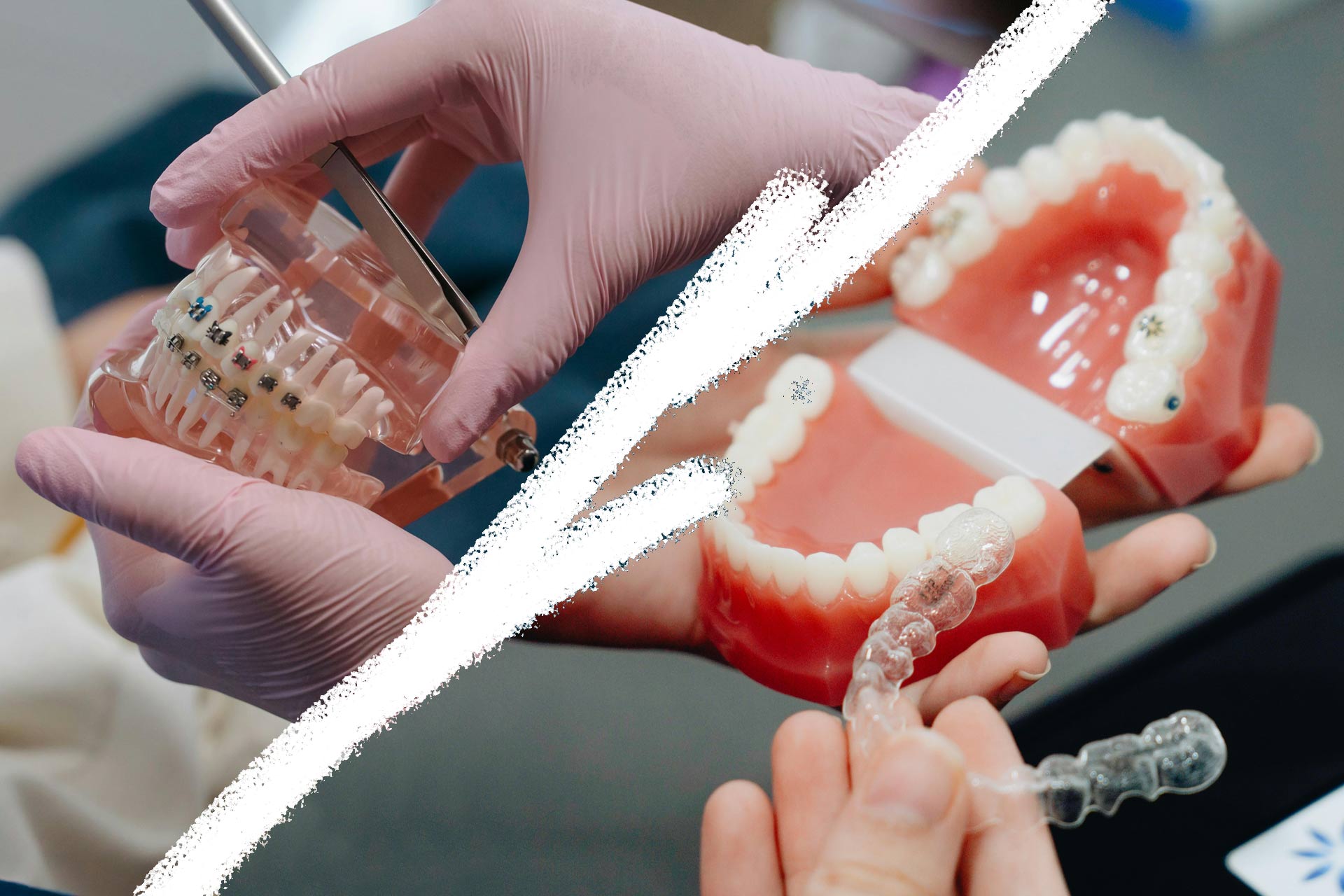
7 Fascinating Facts About Orthodontics
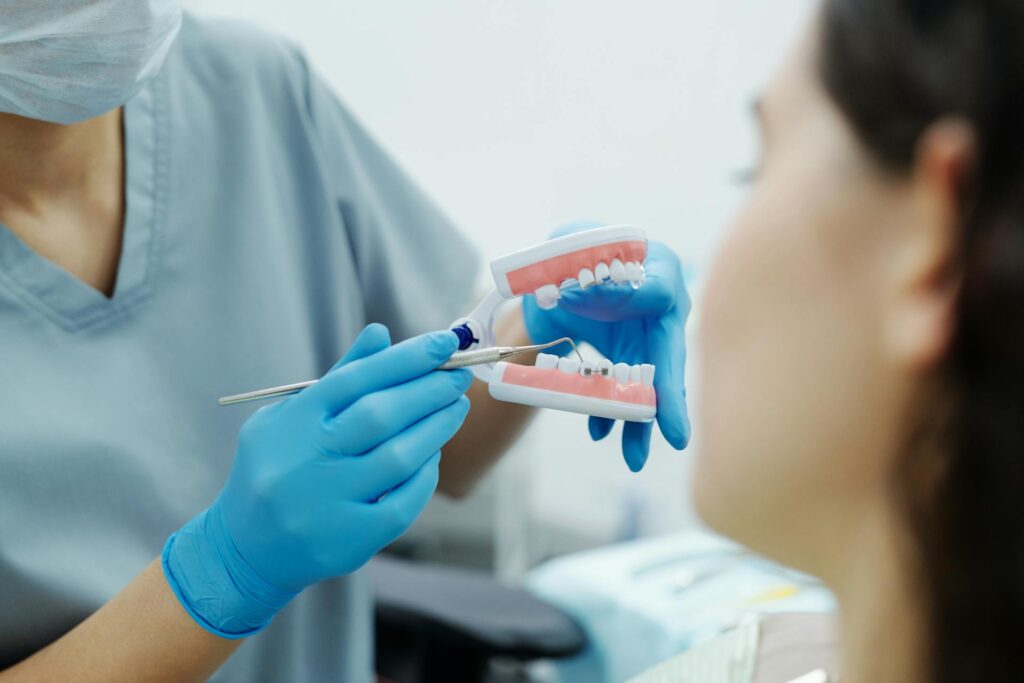
Orthodontics is a specialised field that has been evolving for far longer than most people realise. From rudimentary ancient attempts at tooth alignment to the precision of modern digital treatment planning, the story of orthodontics is one of genuine ingenuity across thousands of years. Here are seven facts that trace that journey.
1. The Quest for Straight Teeth Began in Ancient Egypt
Archaeological evidence suggests that ancient Egyptians were among the first to attempt tooth alignment. Archaeologists have found mummified remains with crude metal bands around the teeth, and it is believed that cords made from animal material were used to apply pressure to move teeth over time. Meanwhile, Hippocrates, writing in ancient Greece around 400 BCE, described the problems caused by crowded and irregular teeth, suggesting that the clinical recognition of malocclusion is at least 2,400 years old.
2. Pierre Fauchard Laid the Groundwork in the 1700s
Pierre Fauchard, a French surgeon widely regarded as the father of modern dentistry, made some of the earliest documented contributions to orthodontic thinking in his landmark 1728 text. He described methods for expanding and aligning the dental arches, and designed one of the earliest orthodontic devices which was a horseshoe-shaped strip of metal used to help widen narrow arches. He also used ligatures made from silk, linen, and gold thread to tie teeth into better positions. His work was remarkable for the period and helped establish dentistry, and by extension, orthodontics, as a legitimate clinical discipline rather than a trade.
3. Stainless Steel Changed Everything After World War II
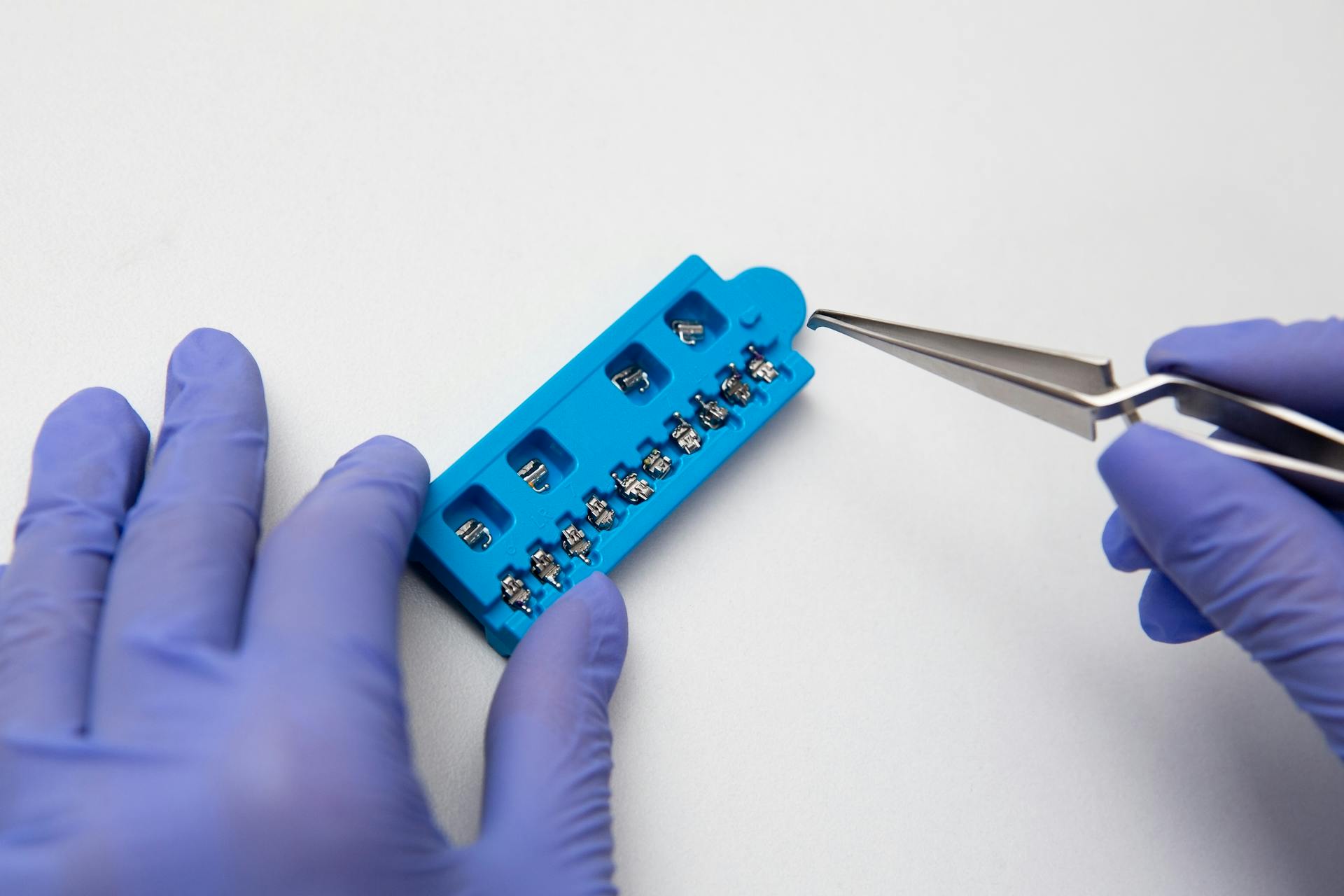
Before the mid-twentieth century, orthodontic appliances were made from gold, silver, and platinum as these materials were corrosion resistance and workable, but they were also expensive and difficult to manufacture at scale. During and after World War II, stainless steel became widely available and affordable, and orthodontists quickly adopted it as the primary material for brackets and wires. This single material shift dramatically reduced the cost of orthodontic treatment and made braces accessible to a far broader population. The stainless steel bracket remains the foundation of conventional braces to this day.
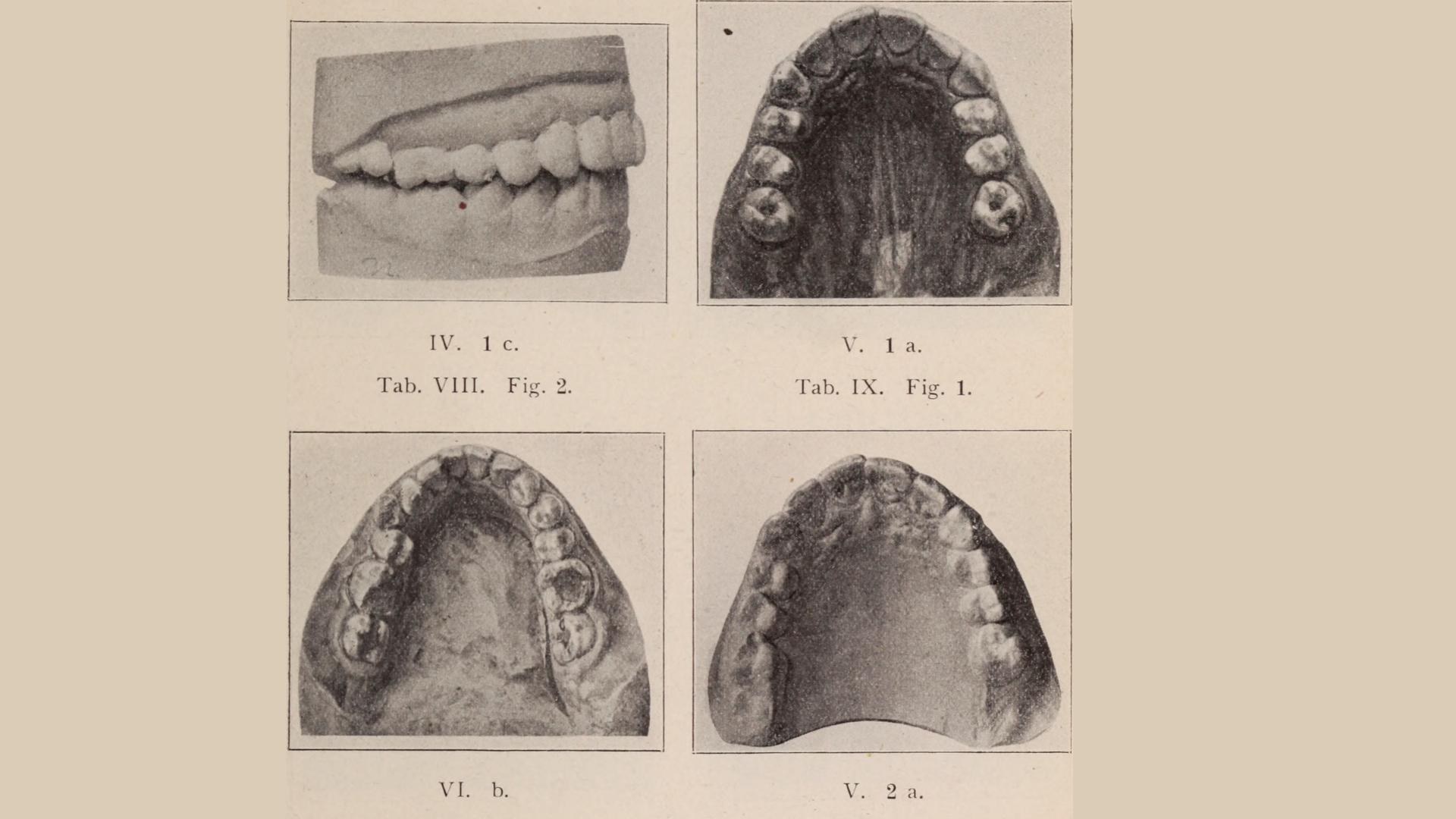
4. Edward Angle Defined the Modern Discipline
In the early twentieth century, American dentist Edward Angle transformed orthodontics from a loosely defined area of dental practice into a proper specialist discipline. He developed the first widely adopted classification system for malocclusion, the Angle Classification, which is still used in modified form today. He also developed the edgewise bracket system, which introduced precise three-dimensional control of tooth movement for the first time. Angle founded the first school of orthodontics in 1901 and is widely credited with establishing orthodontics as a recognised dental specialty.
5. Lingual Braces Have Been Around Since the 1970s
The idea of hiding orthodontic brackets on the inside surface of the teeth is not as recent as many people assume. Dr Craven Kurz developed lingual braces in the mid-1970s in California, and they became particularly popular among celebrities and public figures who wanted orthodontic treatment without visible hardware. The technique has evolved considerably since then as modern lingual braces are custom-fabricated using digital scanning and precision laboratory processes, making them far more comfortable and effective than the early versions. The underlying concept, however, has not changed in half a century.
6. Clear Aligners Were an Accidental Innovation
The development of the modern clear aligner system in the late 1990s grew partly from an observation made during a Stanford University student project where it was noted that a series of sequential retainers could be used to move teeth incrementally. What began as a concept explored in a design school has since become one of the most significant developments in orthodontic treatment in decades. The technology has continued to evolve rapidly, with digital treatment planning software now allowing clinicians to simulate the entire treatment sequence before a single tray is fabricated.
7. Modern Orthodontics Is Built on Digital Precision
Contemporary orthodontic treatment is unrecognisable compared to even twenty years ago in terms of the technology involved. Digital intraoral scanners have replaced plaster impressions for most patients, producing highly accurate 3D models of the teeth and bite within minutes. Cone beam computed tomography (CBCT) allows three-dimensional imaging of the teeth, roots, bone, and airway in a single scan. Computer-aided design is used to fabricate custom brackets, aligners, and retainers with a level of precision that was simply not achievable with analogue methods. These tools do not replace clinical judgment, rather they extend it, allowing orthodontists to plan treatment with greater accuracy and to anticipate outcomes more reliably than ever before.
The Future Is Bright
Orthodontics has come a long way from metal bands and cat-gut cord. If you are curious about what modern orthodontic treatment could involve for you or your child, Dr Carolyn Ng welcomes patients of all ages for an initial consultation with no referral required.


The Orthodontist Advantage
Dr. Carolyn Ng firmly believes that a beautiful smile can unlock a life of greater confidence and well-being. She is a highly skilled specialist and an expert in orthodontics and dentofacial orthopaedics.
Orthodontic specialists like Dr. Carolyn customizes each treatment—whether braces, clear aligners, or other discreet options—to fit your lifestyle and goals, helping you achieve a smile you’ll be proud of for years to come.
At her orthodontic practice in Hawthorn, Victoria, she works collaboratively and patiently with all her patients in creating beautiful, healthy smiles.
The information contained on this website is general in nature and does not cover all appliances or treatment modalities. It does not take into account your personal situation. Any surgical or invasive procedure carries risks. You should consider whether the information is appropriate to your needs, and where appropriate, seek advice from a dental professional.

Dr. Carolyn Ng
Orthodontist Hawthorn